Deutsch
 Français
 Türkçe
Home
/ Concrete Technology And Mortar Preparation / Concrete Mixer Types — Pan, Single-Shaft and Twin-Shaft Mixers
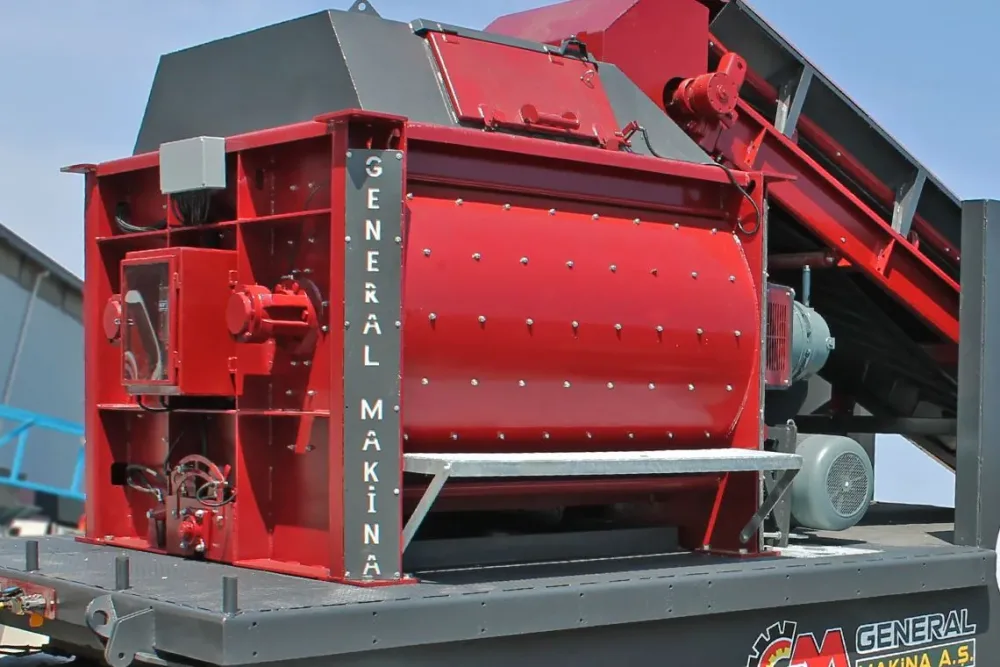
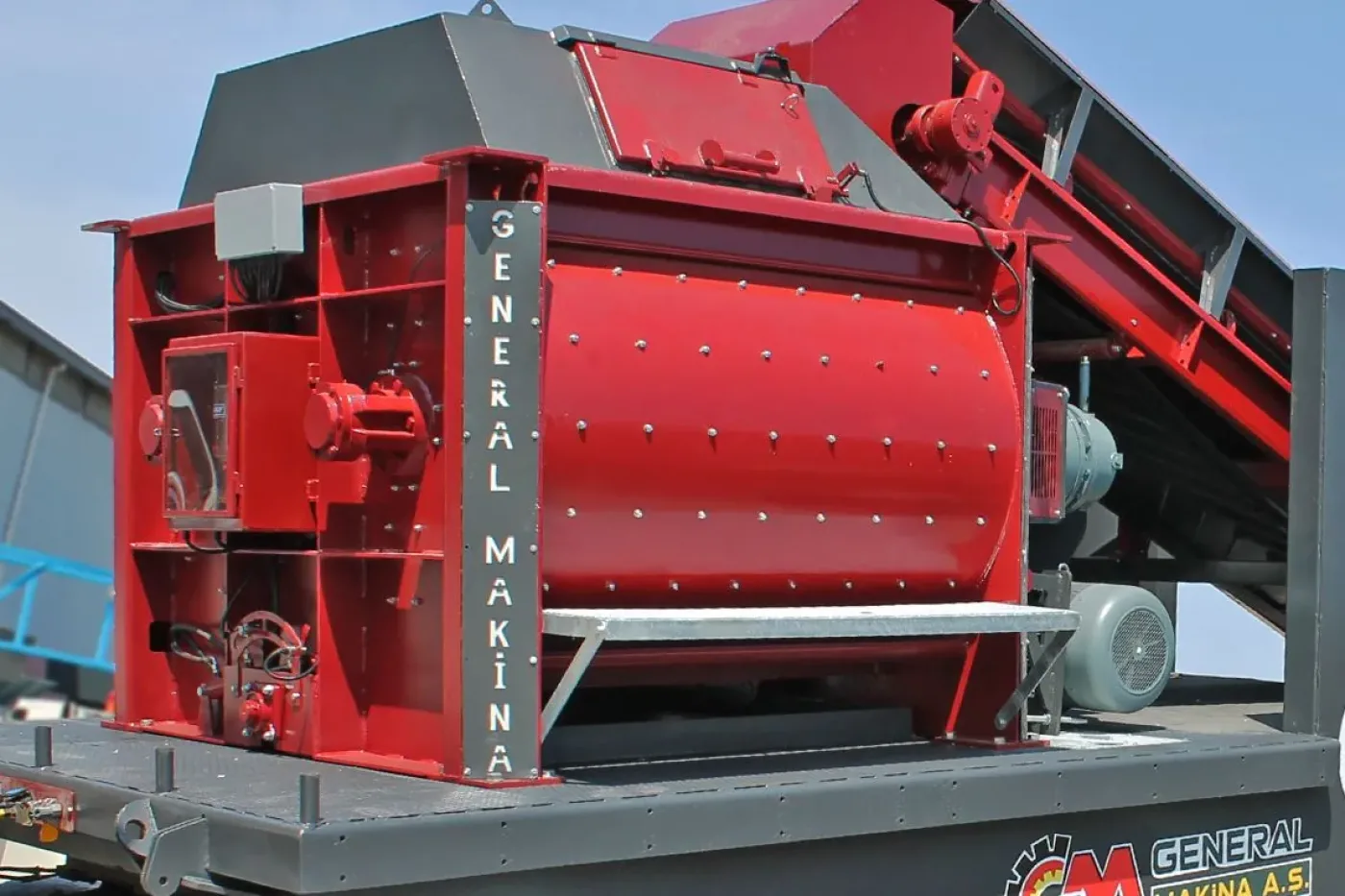
Concrete Mixer Types — Pan, Single-Shaft and Twin-Shaft Mixers
Summary: General Machinery concrete mixers turn aggregate, cement, water and additive into homogeneous compacted concrete.…
General Machinery concrete mixers turn aggregate, cement, water and additive into homogeneous compacted concrete. Pan, single-shaft and twin-shaft types deliver 0.5-4.5 m³ compacted concrete with 18 to 2×90 kW motors, Hardox paddles, Ni-Hard/Hardox wear liners, planetary reducers, ISO 9001 + CE and a 1-year warranty.
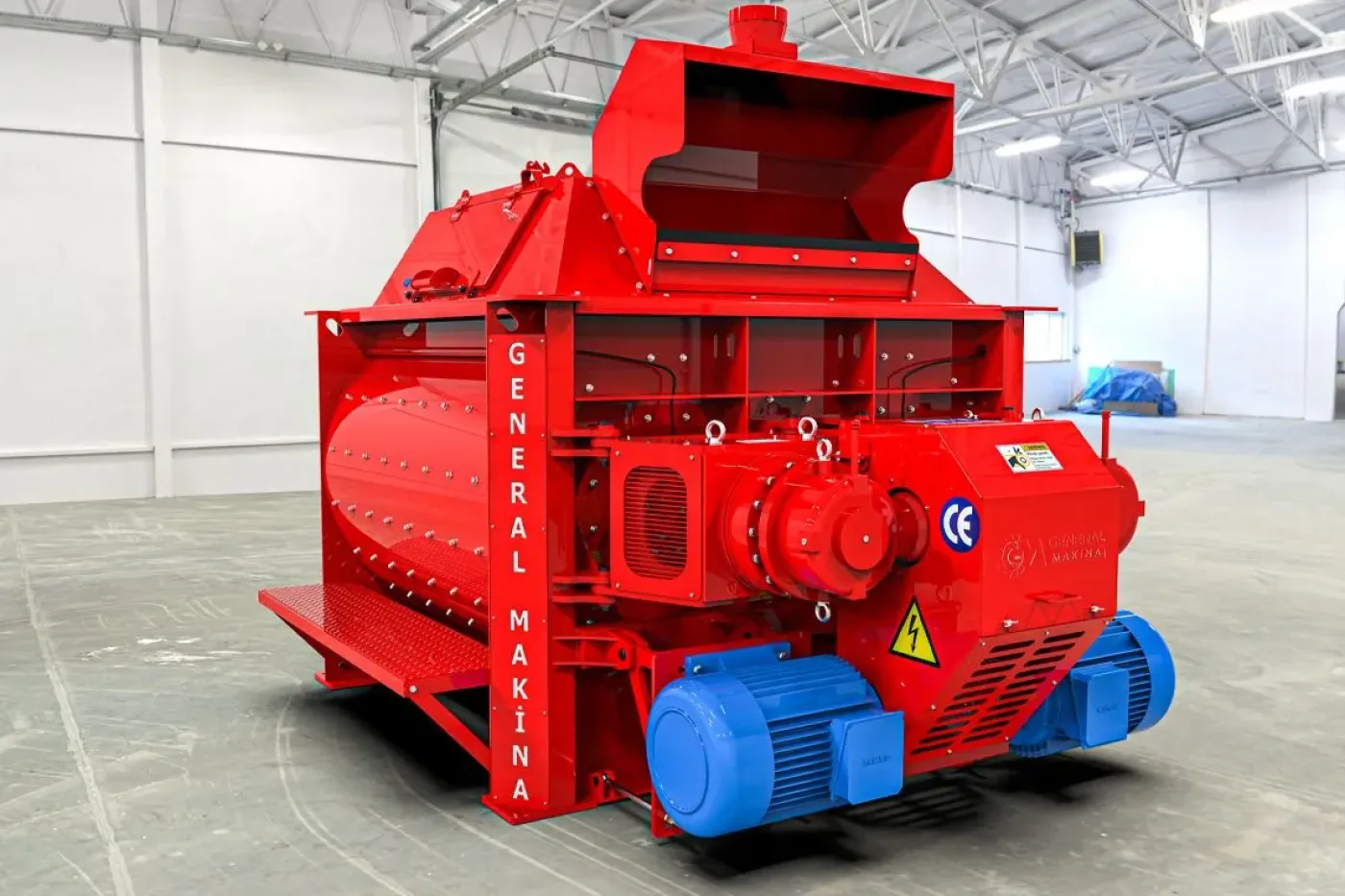
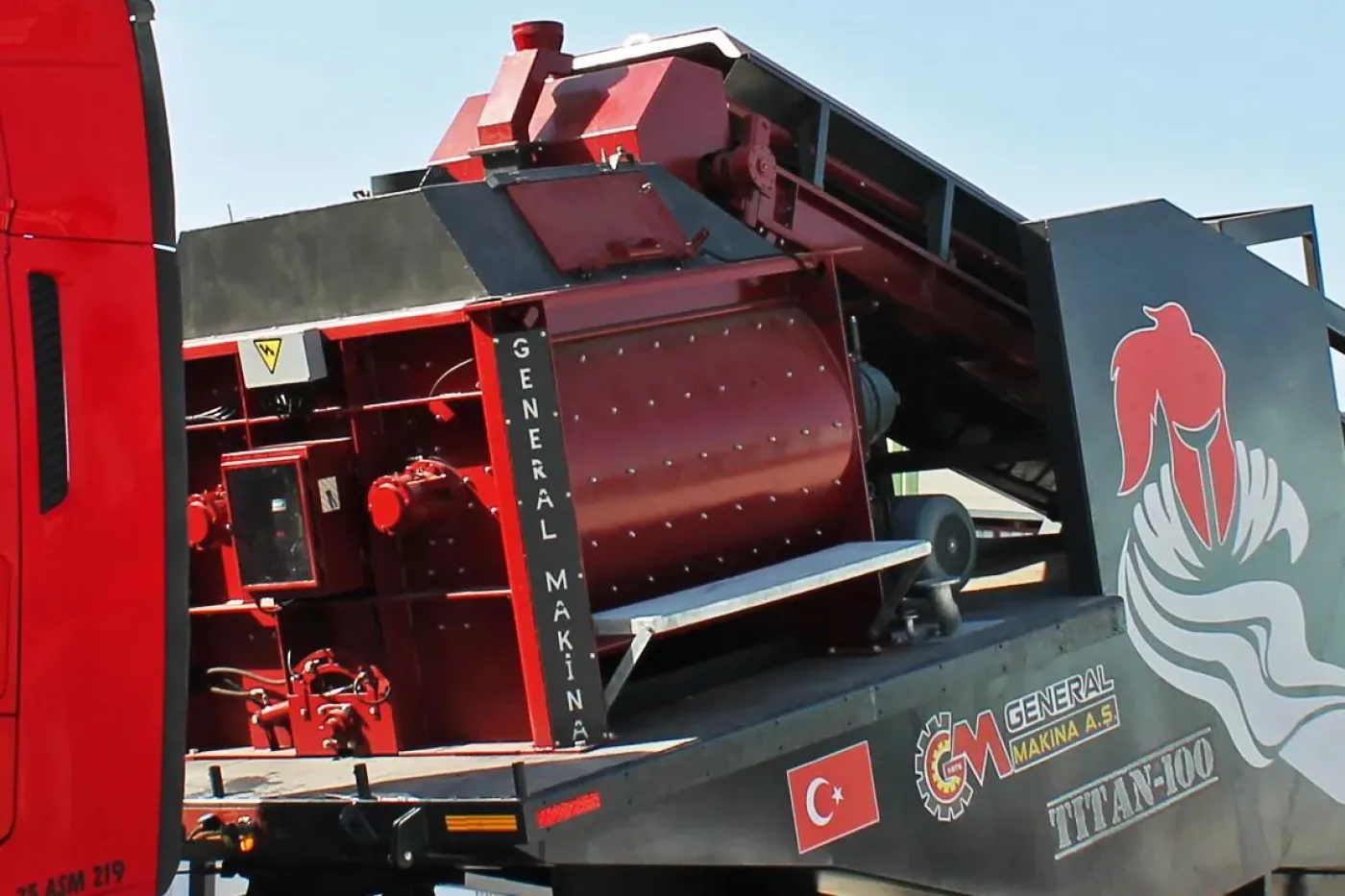
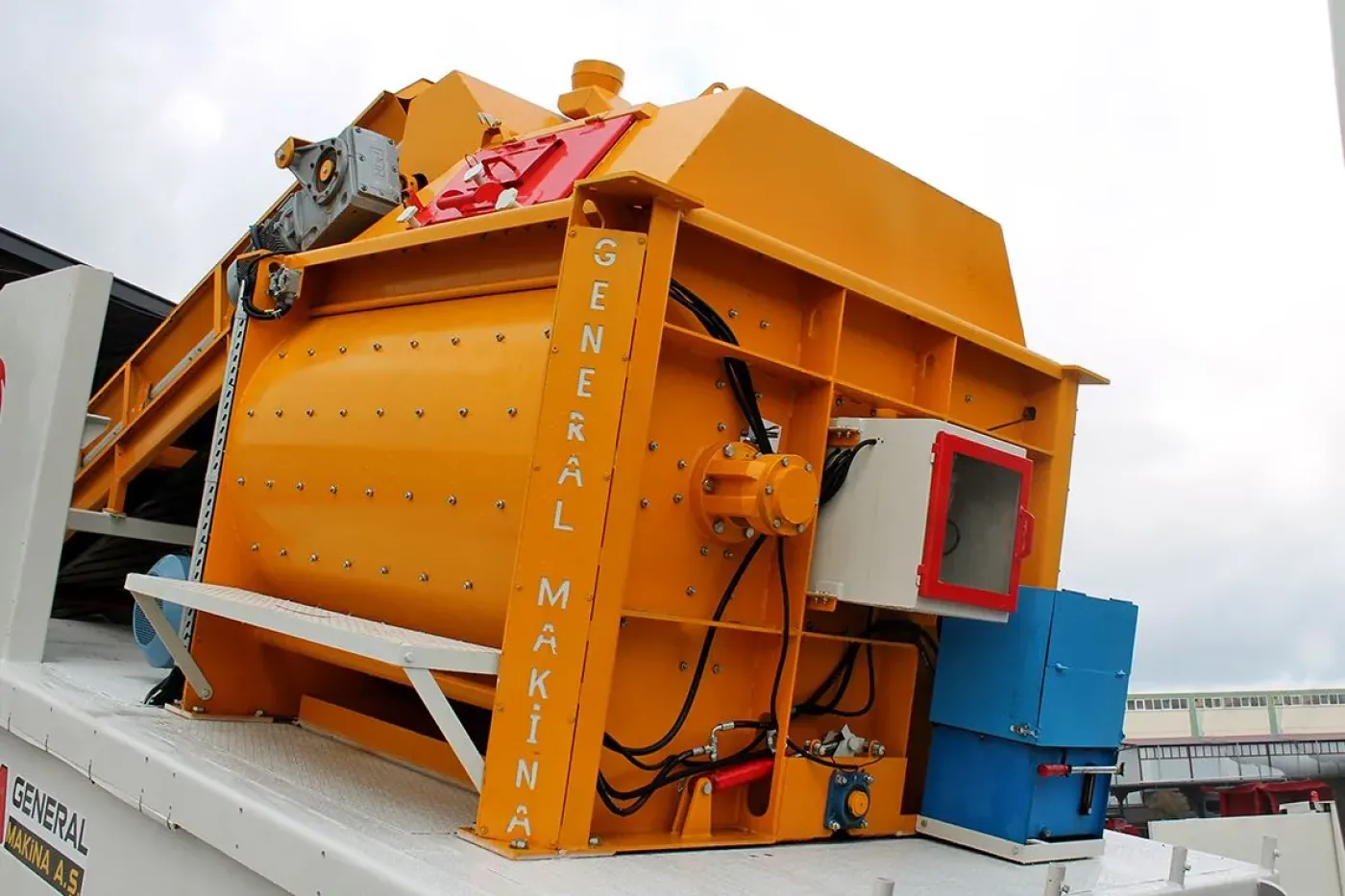
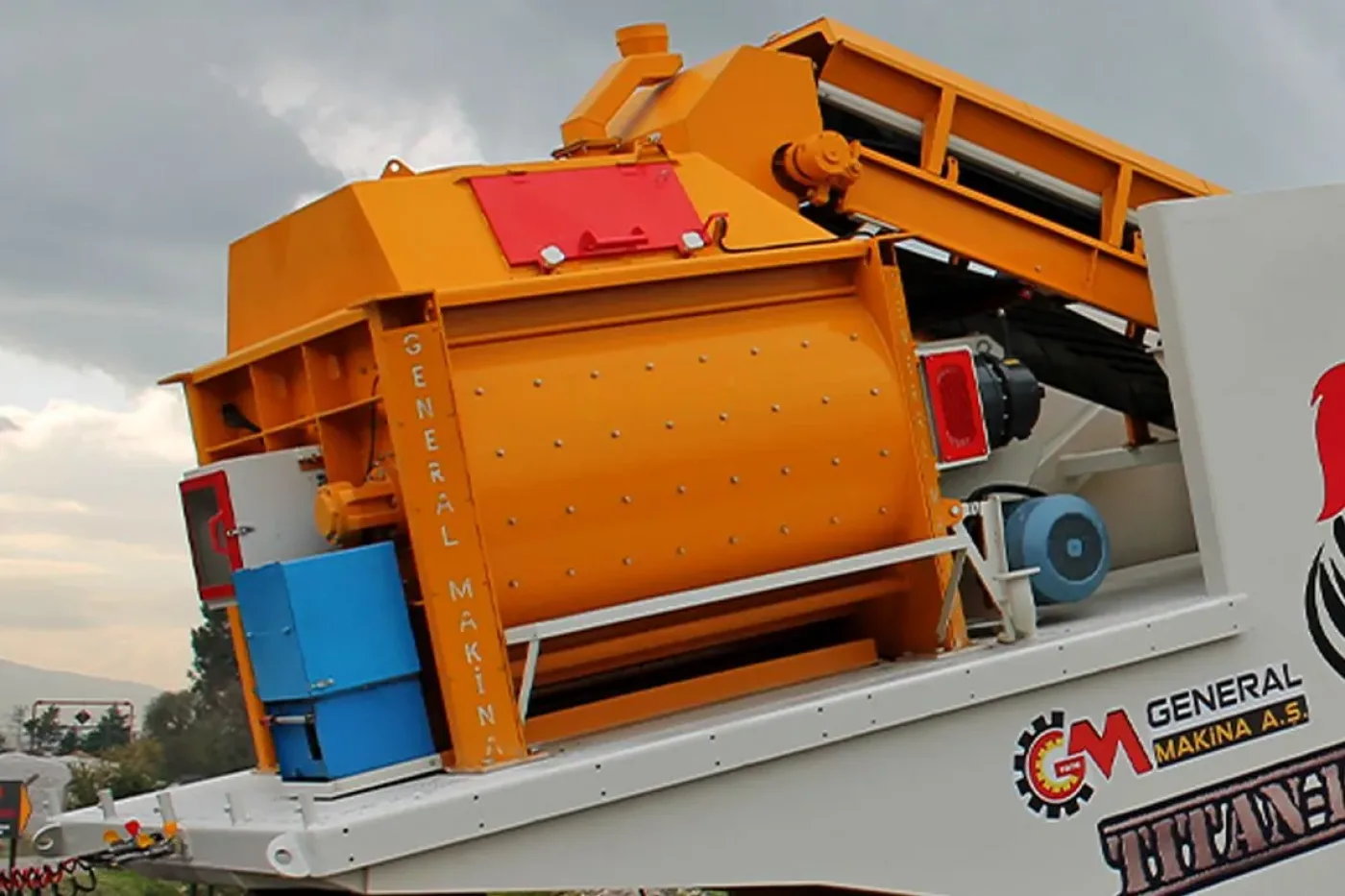
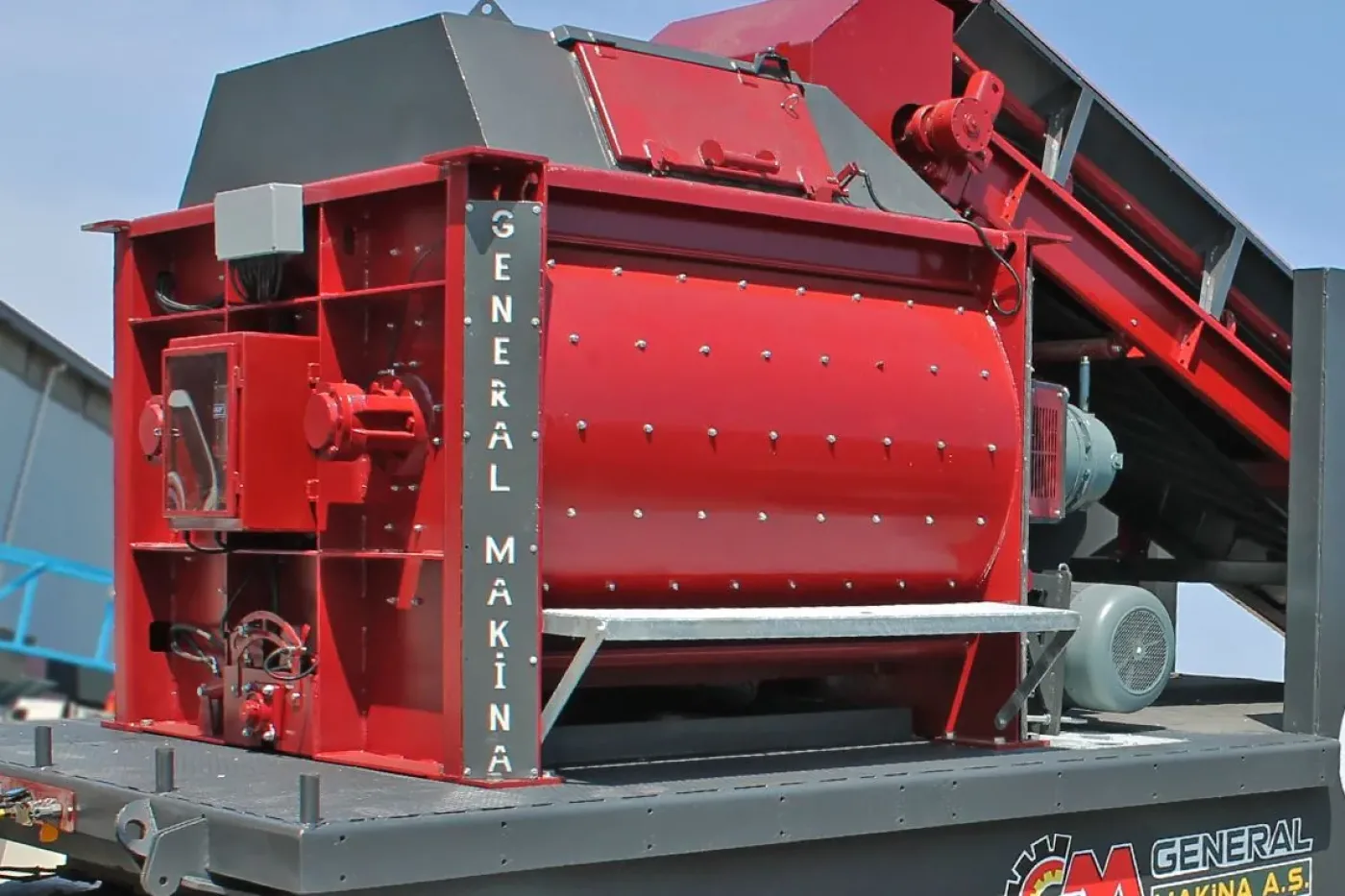
A concrete mixer is the heart of a batching plant: it turns aggregate, cement, water and additive into homogeneous, compacted concrete through forced mixing. General Machinery offers three types — the pan mixer, the single-shaft mixer and the twin-shaft mixer — with an optional planetary configuration. All models are ISO 9001 + CE certified and carry a 1-year warranty.
Working principle
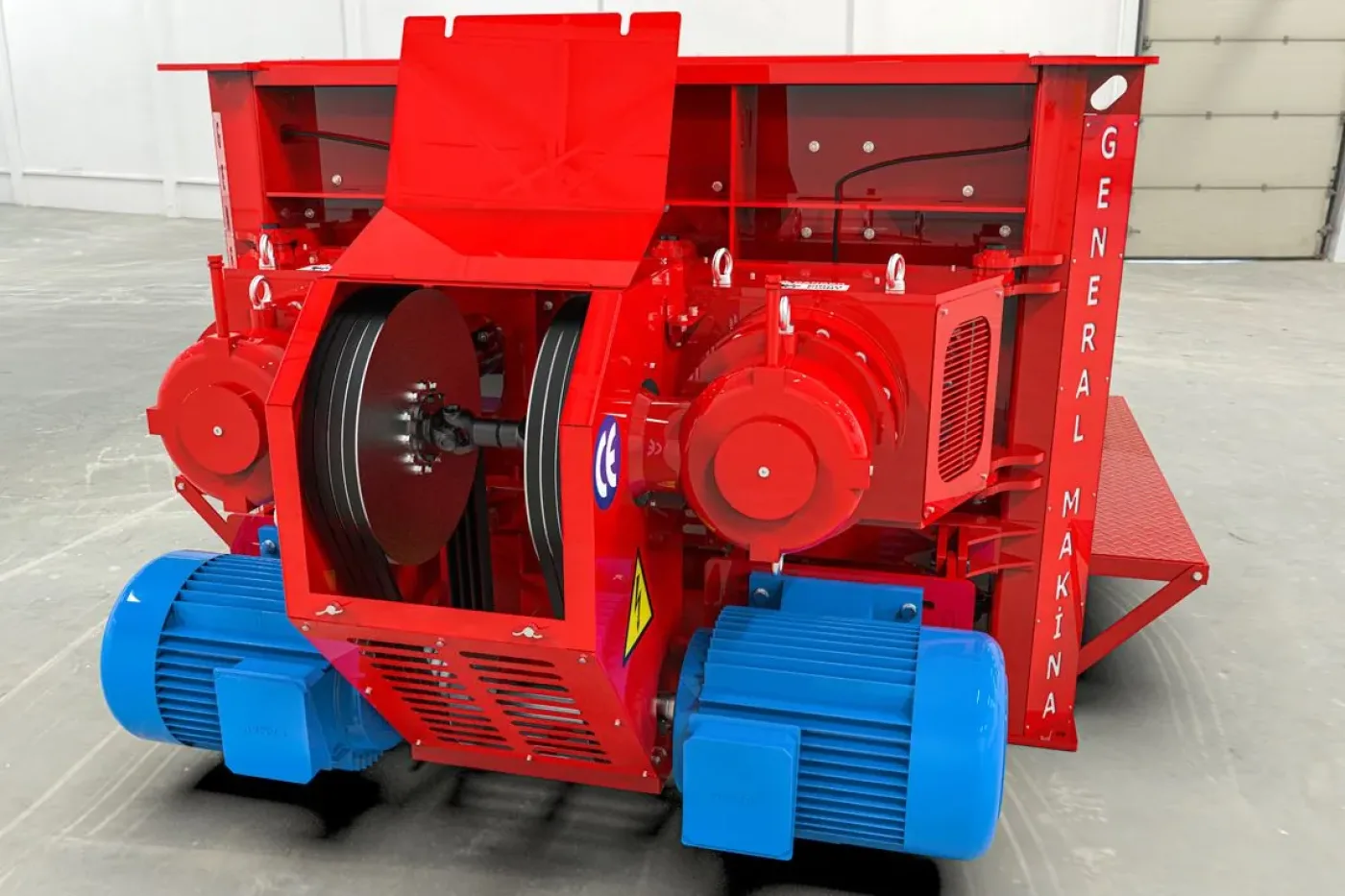
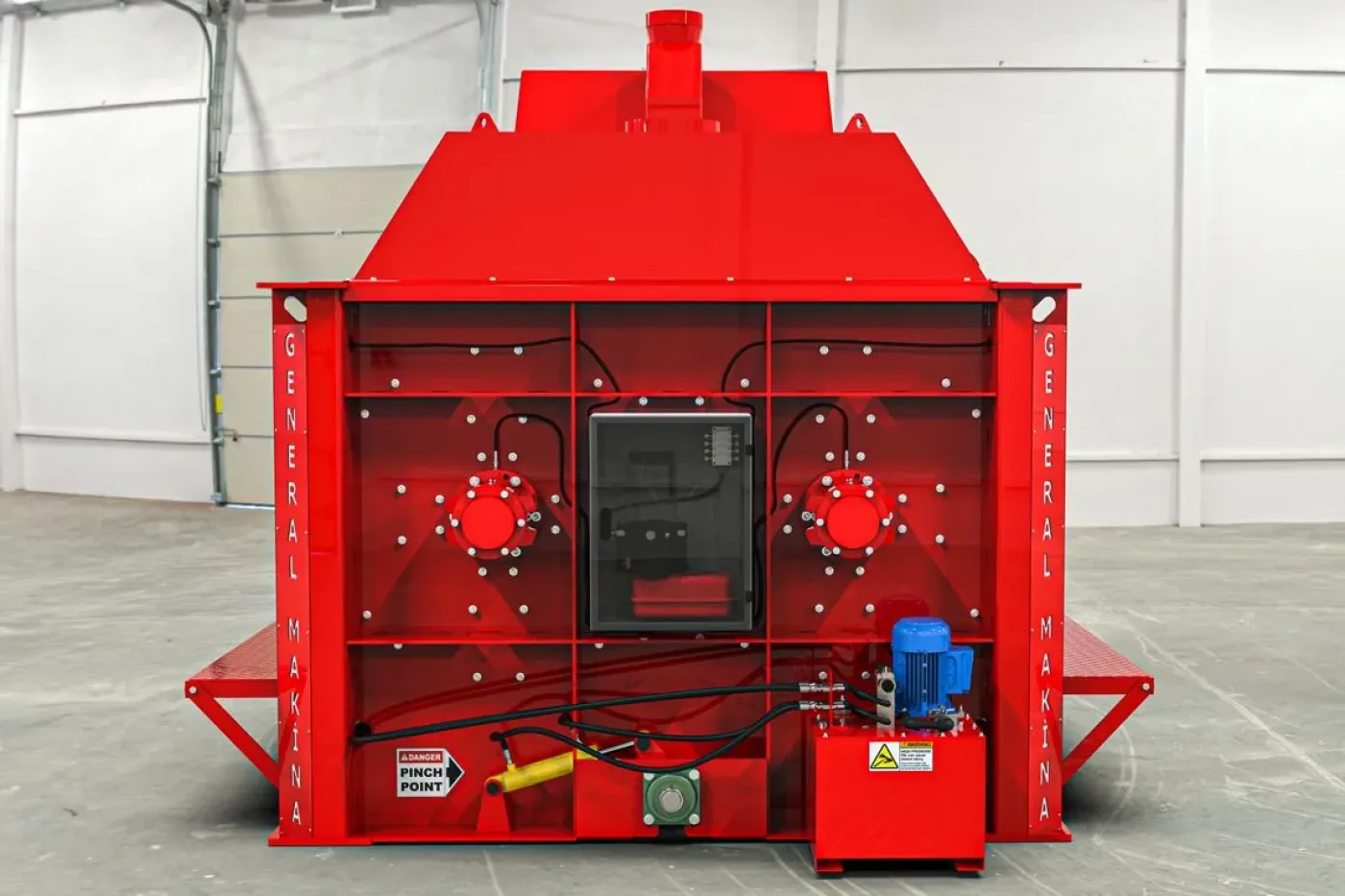
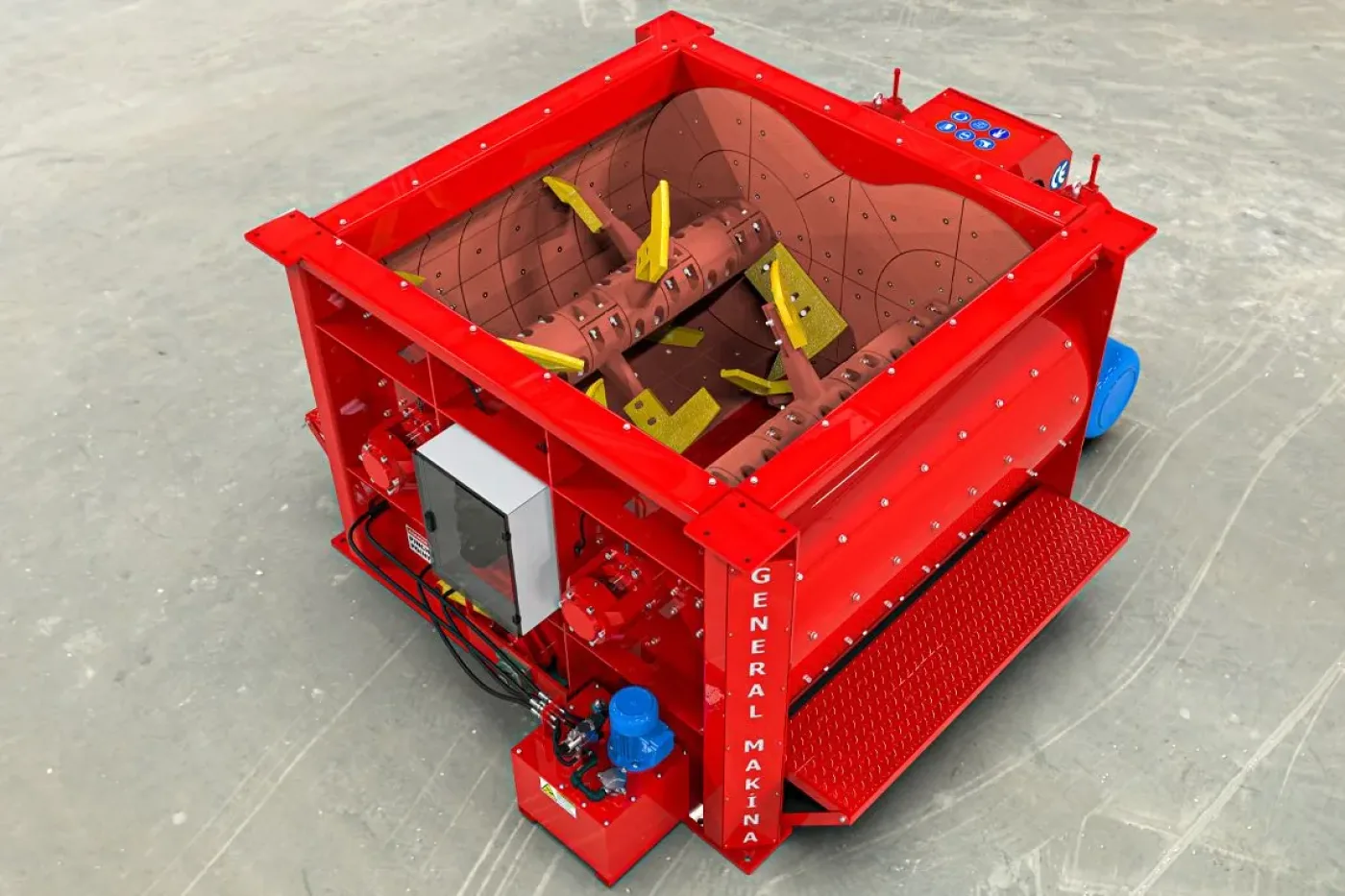
Arms and scraper paddles homogenize the material by forced mixing; discharge is through single or double hydraulic or pneumatic gates. On power loss the gates can be opened manually. Automatic lubrication is standard, with an optional cleaning unit and a maintenance walk platform. Mixing arms and paddles are Hardox; the inner lining is wear-resistant Ni-Hard (bolted, replaceable; optional cast lining); the reducer is planetary (twin-shaft: Dkp Dişsan planetary).
Mixer type comparison
A twin-shaft mixer gives roughly 2-3× the hourly output of a pan mixer; pan/planetary units deliver superior homogeneity for precast; and single-shaft optional dual-drive keeps production running if one drive fails.
Applications
Single supplier and TCO
Our mixers are integrated into General Machinery batching plants. The Ni-Hard/Hardox wear metallurgy and bolted, replaceable liners lower spare-part and downtime costs, reducing total cost of ownership (TCO) — one point of contact, one accountable party and a matched spare-parts chain.
S: Should I choose a twin-shaft or a pan mixer?
C: A twin-shaft mixer mixes in ~30-45 s and is ideal for high-tonnage ready-mix and large batches (≥3 m³), giving 2-3× the hourly output of a pan mixer. A pan/planetary mixer mixes in ~90-120 s with more homogeneous results and is preferred for precast, UHPC and architectural concrete.
S: What is the capacity range?
C: Models cover 0.5 m³ to 4.5 m³ of compacted concrete. Pan and single-shaft come in 0.5/1/2 m³; twin-shaft in 1/2/3/4.5 m³. Motor power ranges from 18 kW to 2×90 kW.
S: Why are Ni-Hard and Hardox used?
C: Mixing arms and scraper paddles are Hardox, and the inner lining is wear-resistant Ni-Hard (on twin-shaft). This wear metallurgy, together with bolted replaceable liners, extends part life and lowers total cost of ownership.
S: Does concrete stay trapped inside during a power loss?
C: No. The discharge gates are designed to be opened manually during a power failure, so the batch is released and the risk of concrete setting inside the mixer is avoided.
S: What is the advantage of a single-shaft mixer?
C: A single-shaft mixer combines high capacity with economical cost. With optional dual-drive, production continues even if one drive fails, making it well suited to plants seeking balanced cost and capacity.
Sale Probability
57/100 · average
Technical Specifications
| PAN | 0.5/1/2 m³1/1/21.5/1.5/330/37/4512-15mm st52Hardox |
|---|---|
| SINGLE SHAFT | 0.5/1/2 m³1/1/21.5/1.5/318/37/2×3712-15mm st52Hardox |
| TWIN SHAFT | 1/2/3/4.5 m³1/2/3/4.51.5/3/4.5/62×18.5/2×45/2×55/2×9020mm st52Ni-Hard |
QR code for this listing
Scan with your phone camera to open the listing.
Send this listing to a friend
Report this listing
Questions & Answers
No questions yet — be the first to ask.