Deutsch
 Français
 Türkçe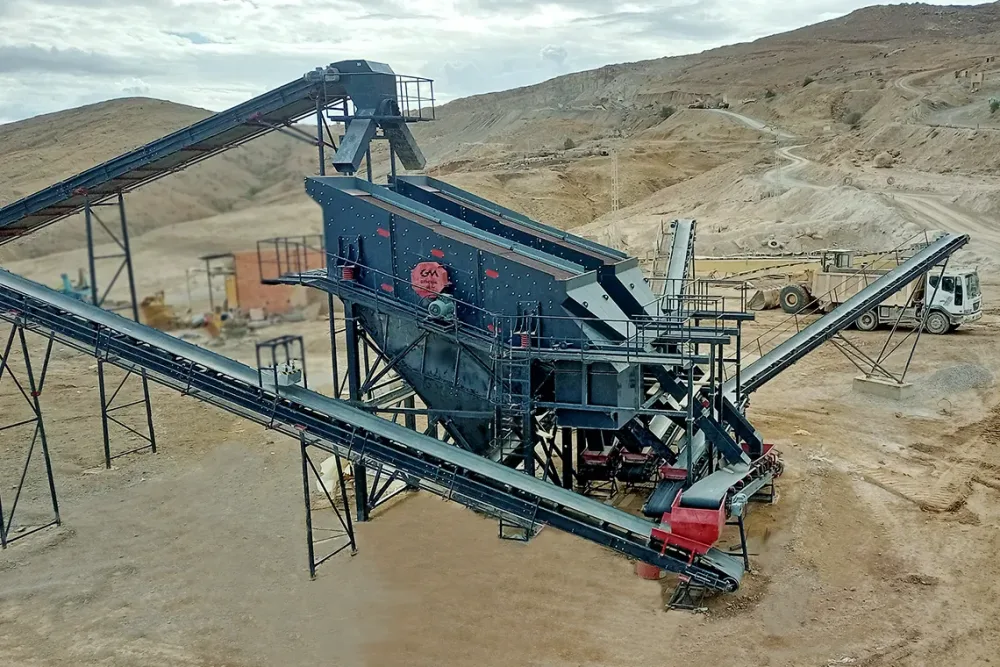
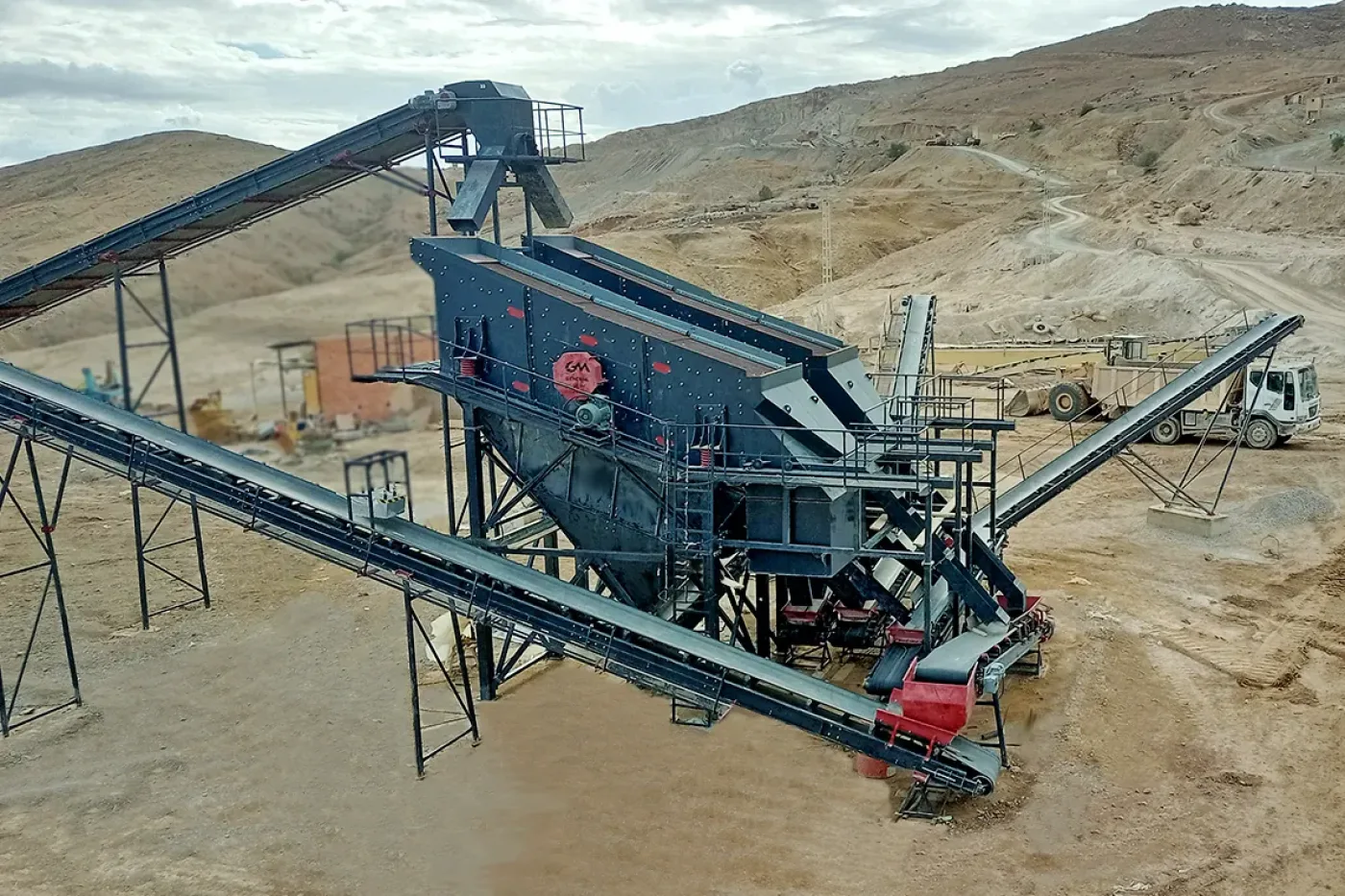
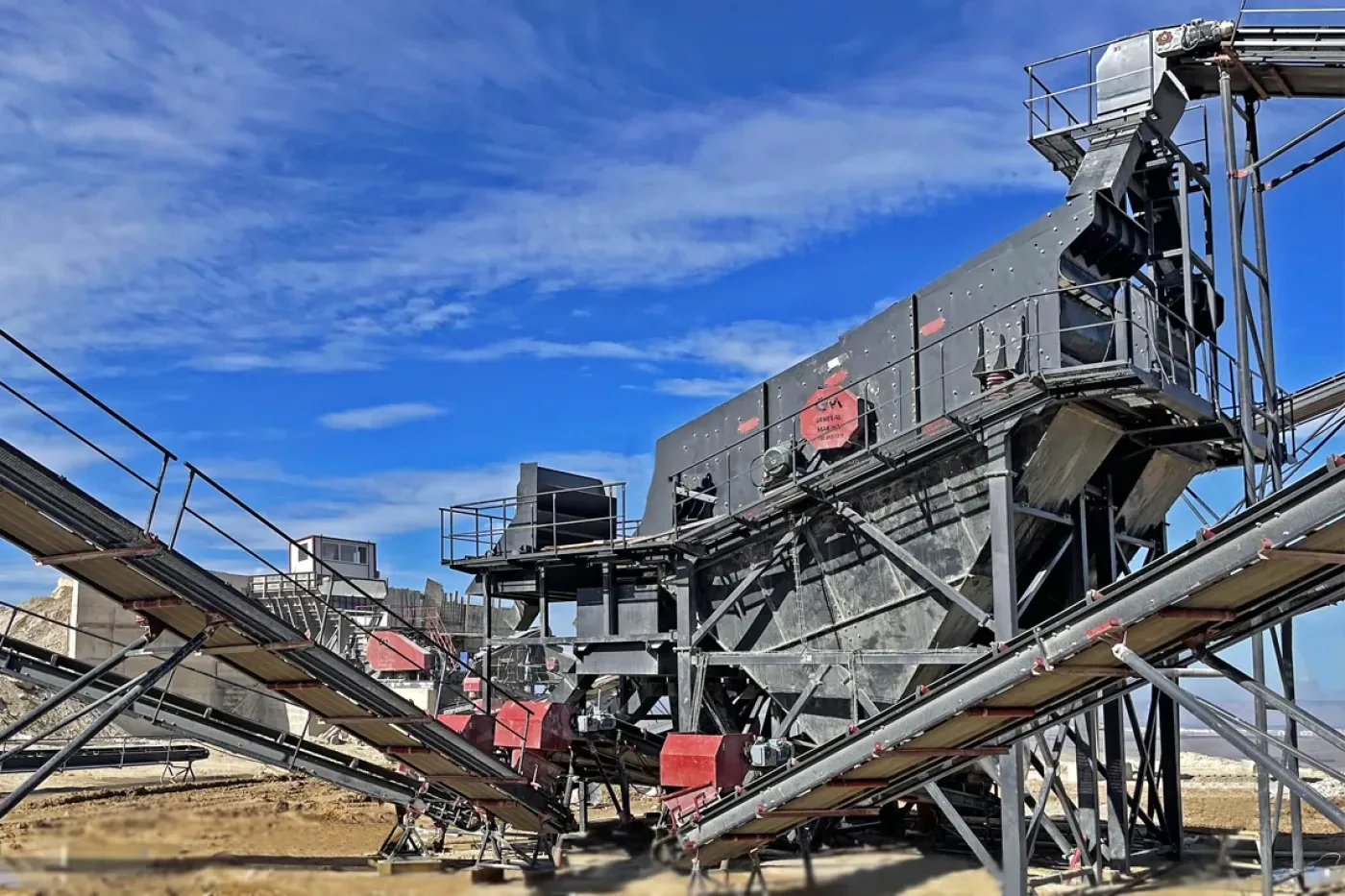
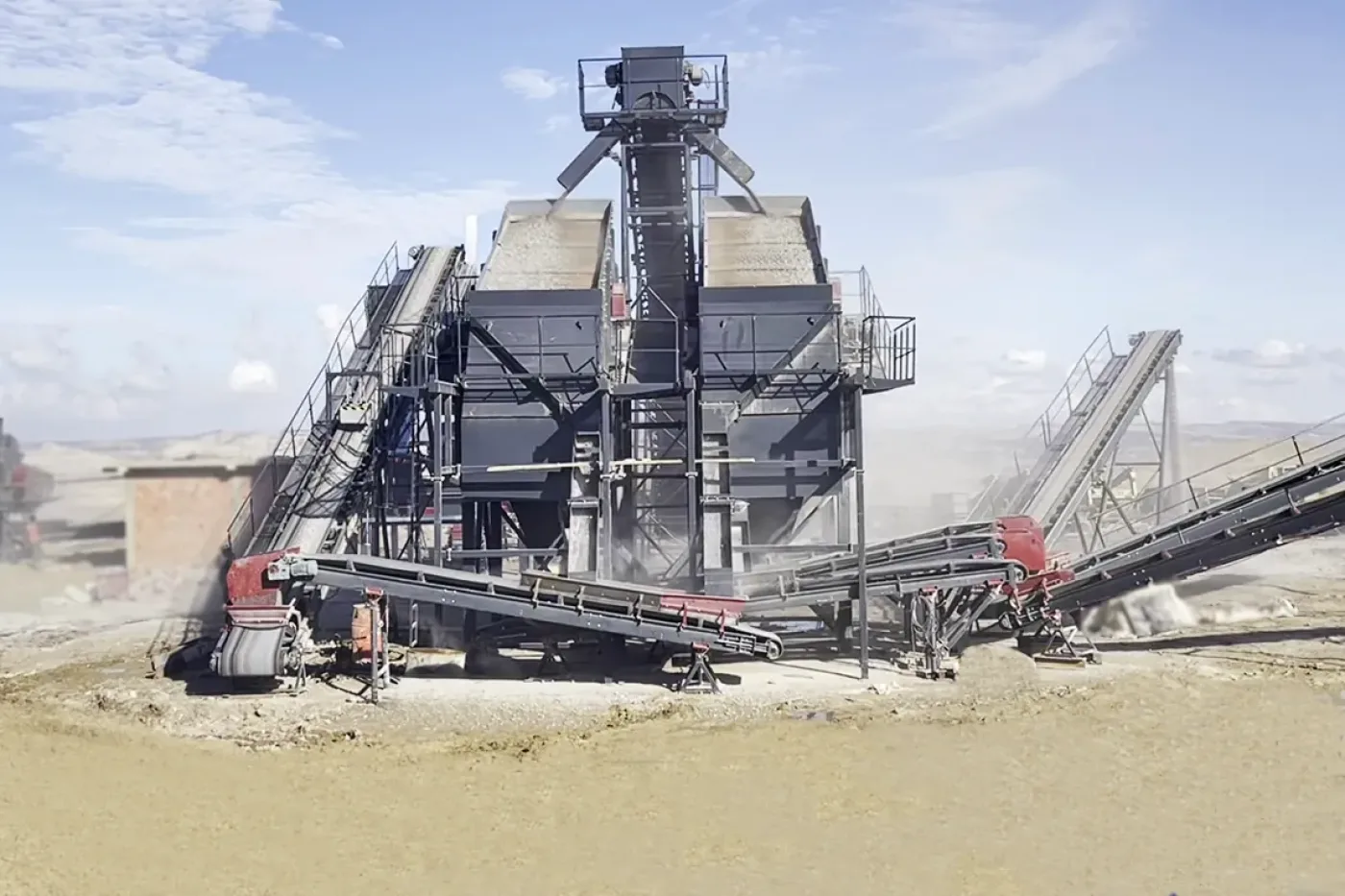
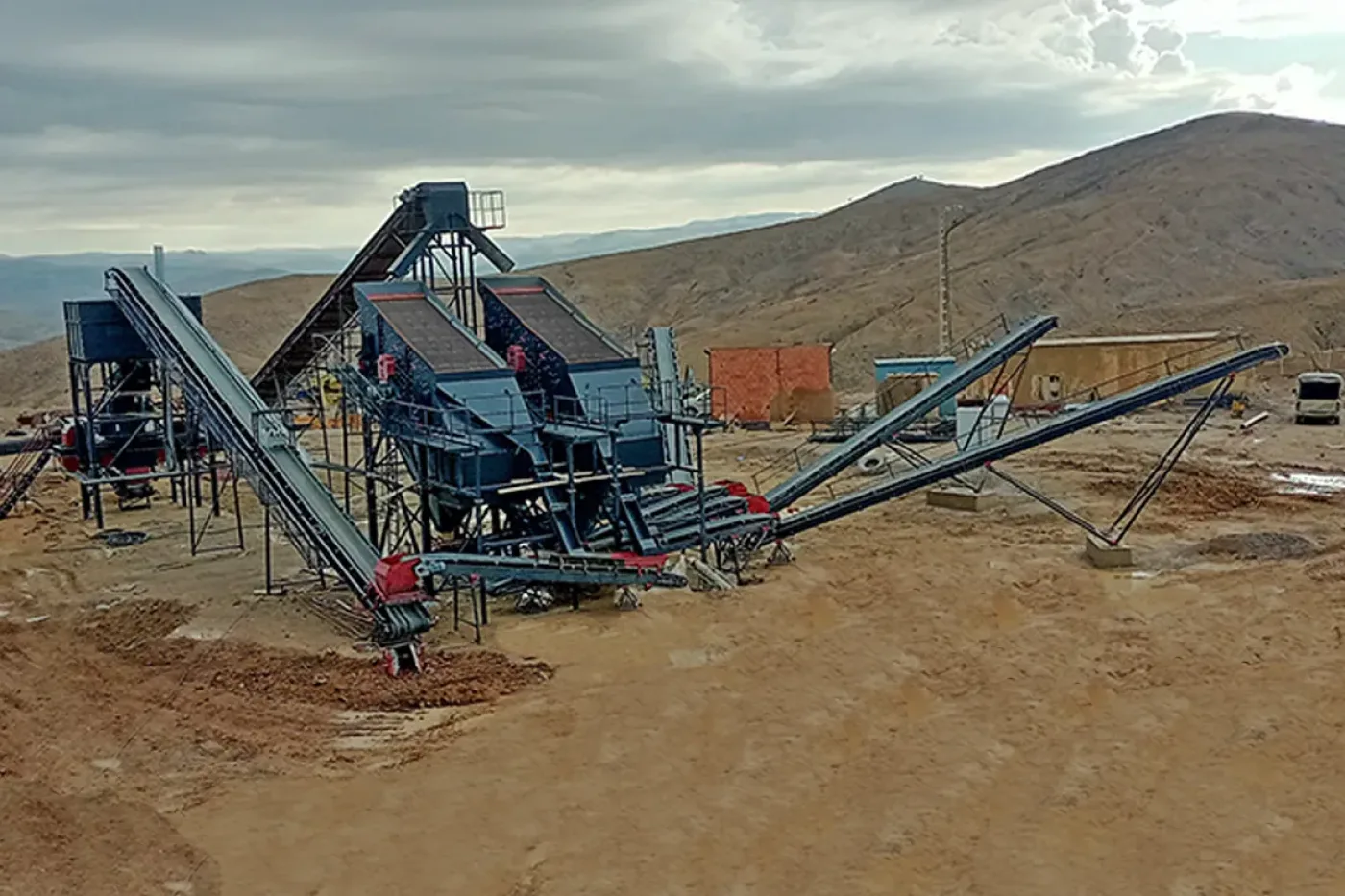
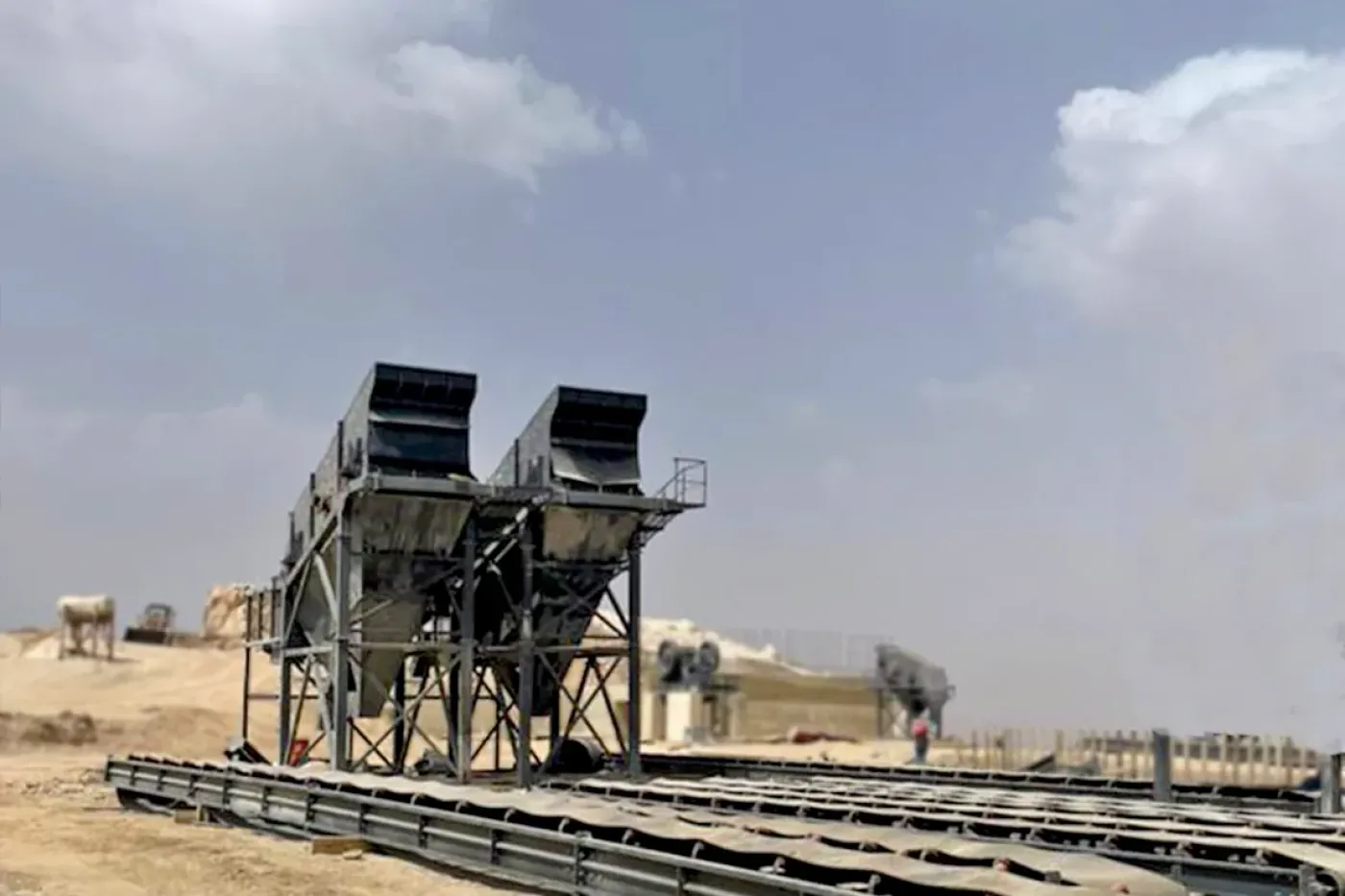
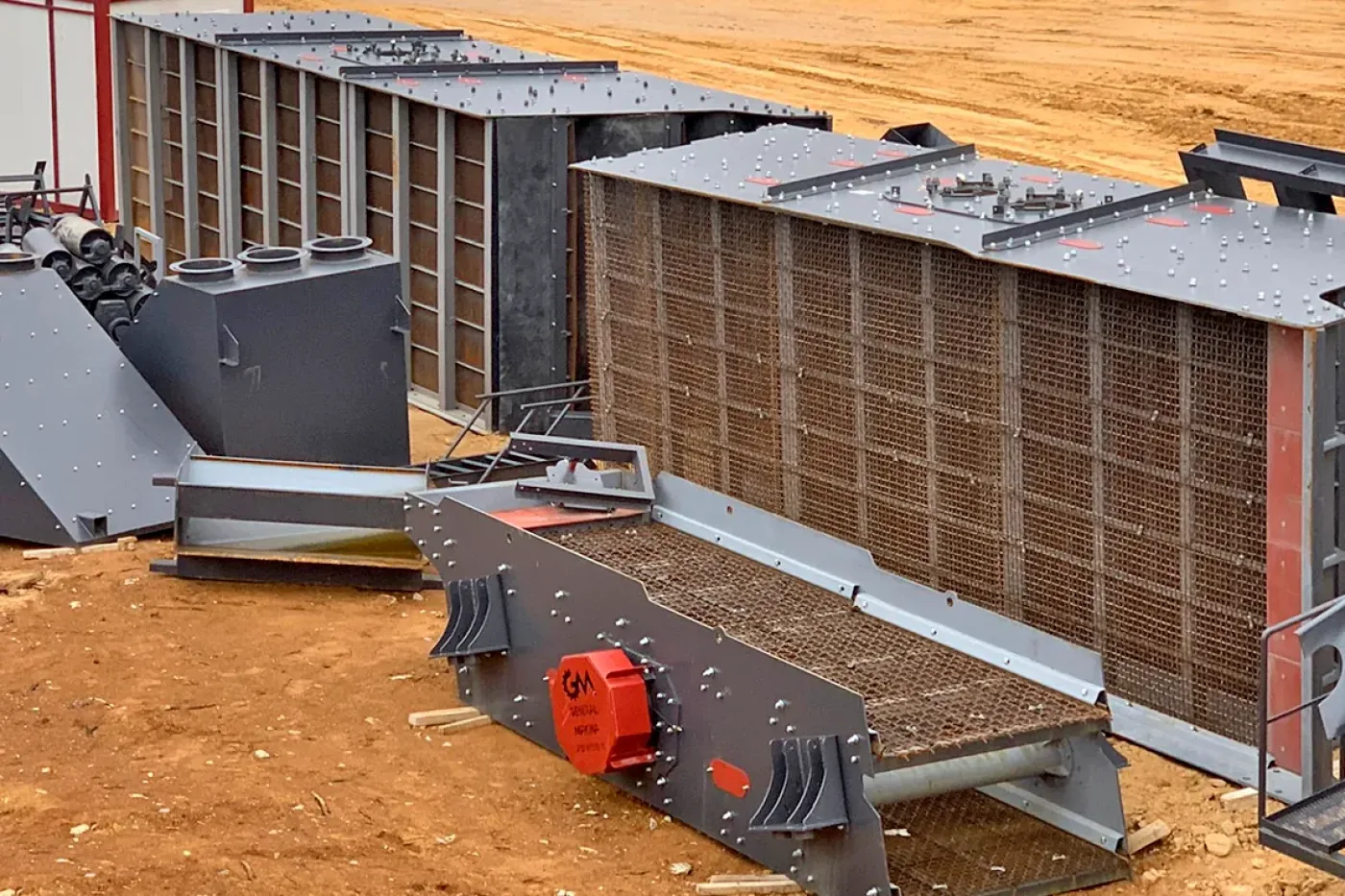
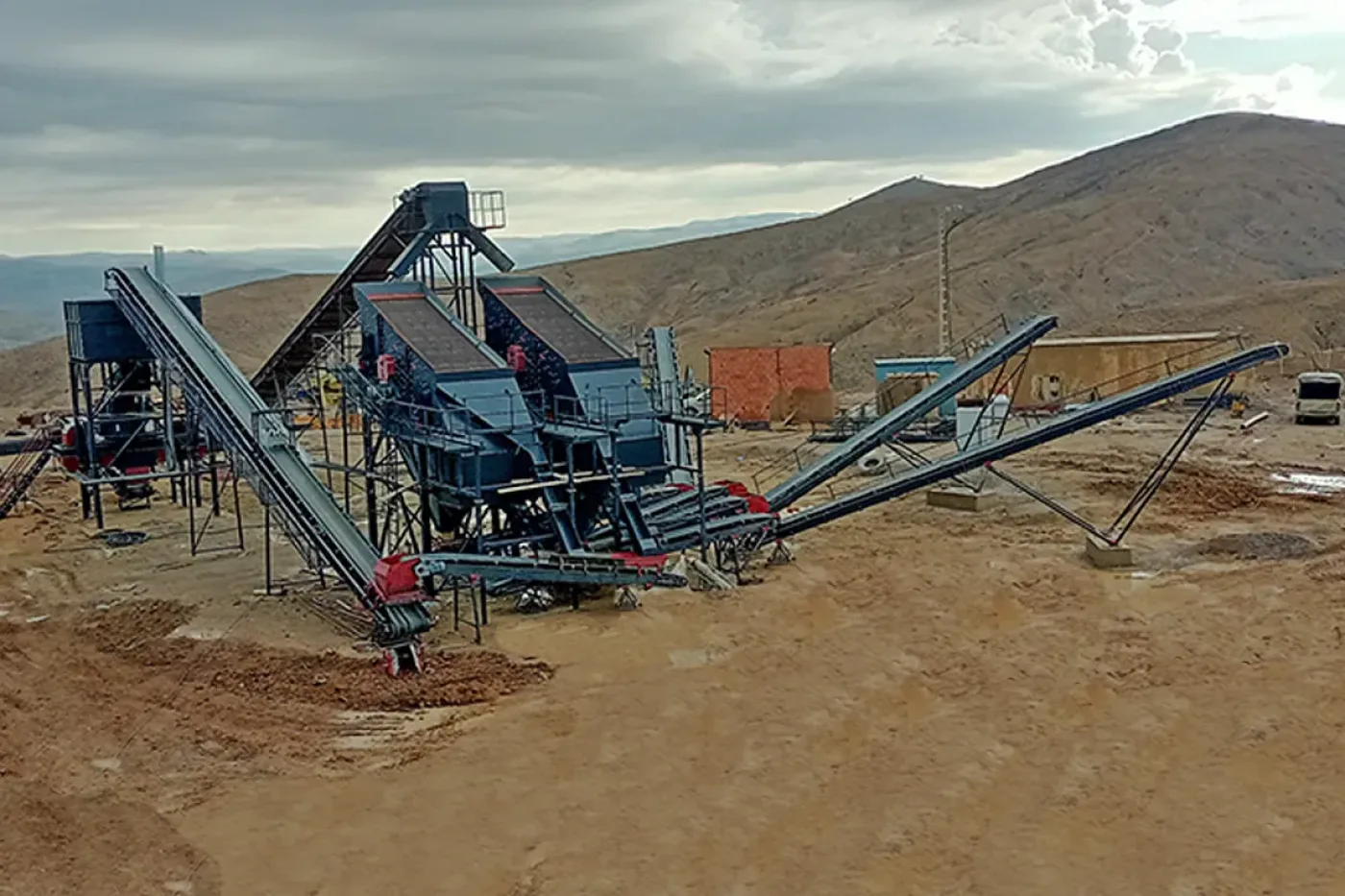
Twin Vibrating Screen
Summary: The twin vibrating screen runs two screen bodies together to double the surface area; 100-500 tph capacity, circular motion, screening without choking in high-tonnage stationary crushing plants.…
The twin vibrating screen runs two screen bodies together to double the surface area; 100-500 tph capacity, circular motion, screening without choking in high-tonnage stationary crushing plants.
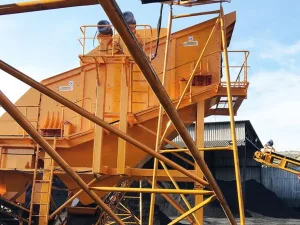
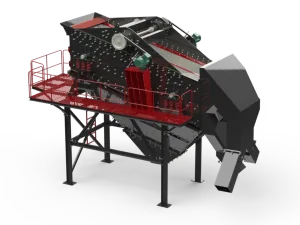
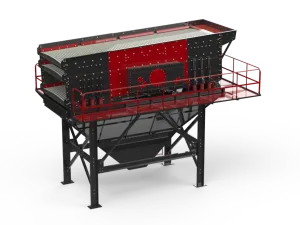
The twin vibrating screen runs two screen bodies together and has a capacity of 100-500 tph. It is used in high-tonnage stationary crushing plants to separate material even at flow rates where a single screen chokes. The double surface doubles the screening area; stratification is maintained at high feed and the recirculating load drops. The body is entirely bolted and weldless; screen media strip out fast and Stone-box chutes shield the feed zone.
Why a double screen surface
The twin screen uses the same circular vibration principle as the conventional screen; the difference is the double screen surface.
Model and motor data
The model table is the same as the conventional screen; the difference is capacity: the twin configuration is 100-500 tph (100-400 tph on the conventional screen). Deck count is typically 2-4; mesh apertures are chosen per project to suit the target output.
Where it is used
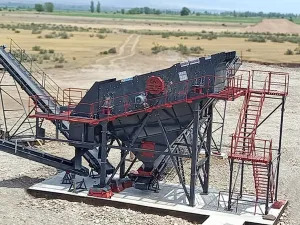
Stationary crushing plants of hundreds of tons per hour, high-capacity aggregate production. Where a single screen is insufficient and the deck chokes at high flow, the twin screen passes more product without choking in the same footprint.
Line integration
You can plan the twin screen not on its own but as part of a full production line. General Machinery brings crushers, washing units, conveyors and the batching plant together in one project, so supply, installation and spare parts run from a single desk across your high-tonnage plant.
S: Why choose a twin screen?
C: In high-tonnage plants where a single screen chokes, the twin screen's double surface screens material without choking and lowers the recirculating load.
S: What is its capacity?
C: It ranges from 100-500 tph; the twin configuration is used for higher tonnage than the conventional screen.
S: How does it differ from a single screen?
C: Two screen surfaces work together; the screening area doubles, stratification is maintained at high flow and recirculation drops.
S: How many decks does it have?
C: Typically 2-4 decks. Deck count is chosen by product-fraction need; each successive deck reduces capacity somewhat.
S: Where is it used?
C: In large stationary crushing plants of hundreds of tons per hour and in high-capacity aggregate production.
Video
Sale Probability
57/100 · average
Technical Specifications
| GNR 1020 | 1000×20004/15001100-1800 |
|---|---|
| GNR 1025 | 1000×25004/15001500-2200 |
| GNR 1030 | 1000×30005.5/15001500-2700 |
| GNR 1230 | 1200×30007.5/15002200-3100 |
| GNR 1540 | 1500×400011/15005400-6600 |
| GNR 1650 | 1600×500015/15006400-8100 |
| GNR 2050 | 2000×500018.5/15008350-11000 |
| GNR 2060 | 2000×600018.5/150012700-13000 |
| GNR 2460 | 2400×600022/150014500-15200 |
| GNR 2470 | 2400×700030/150016800 |
QR code for this listing
Scan with your phone camera to open the listing.
Send this listing to a friend
Report this listing
Questions & Answers
No questions yet — be the first to ask.