Deutsch
 Français
 Türkçe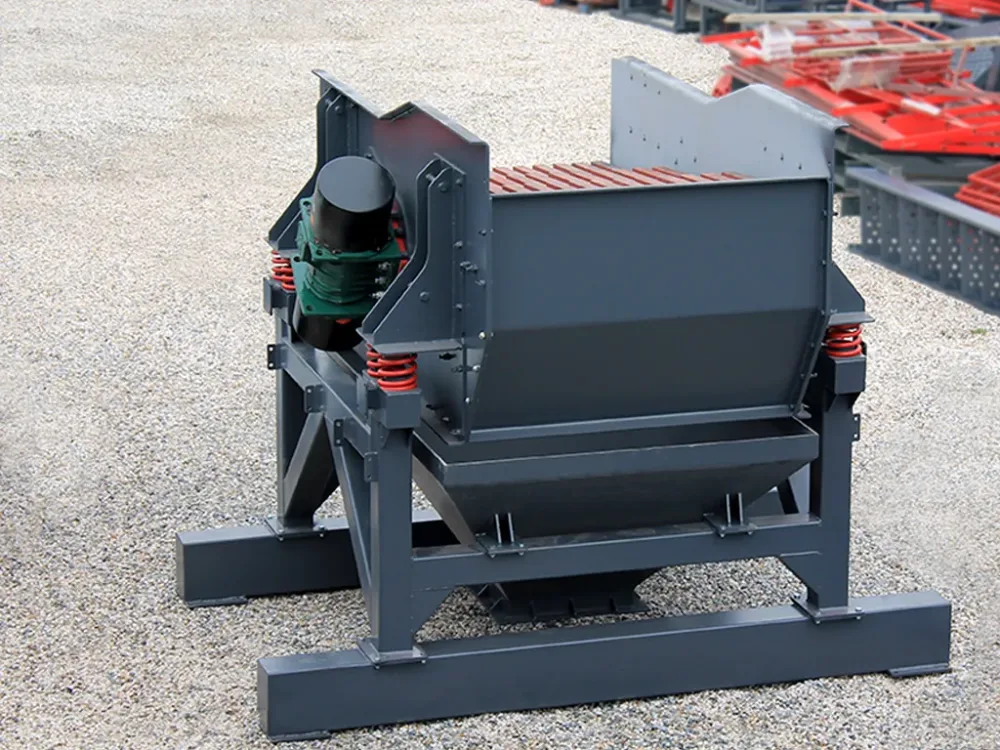
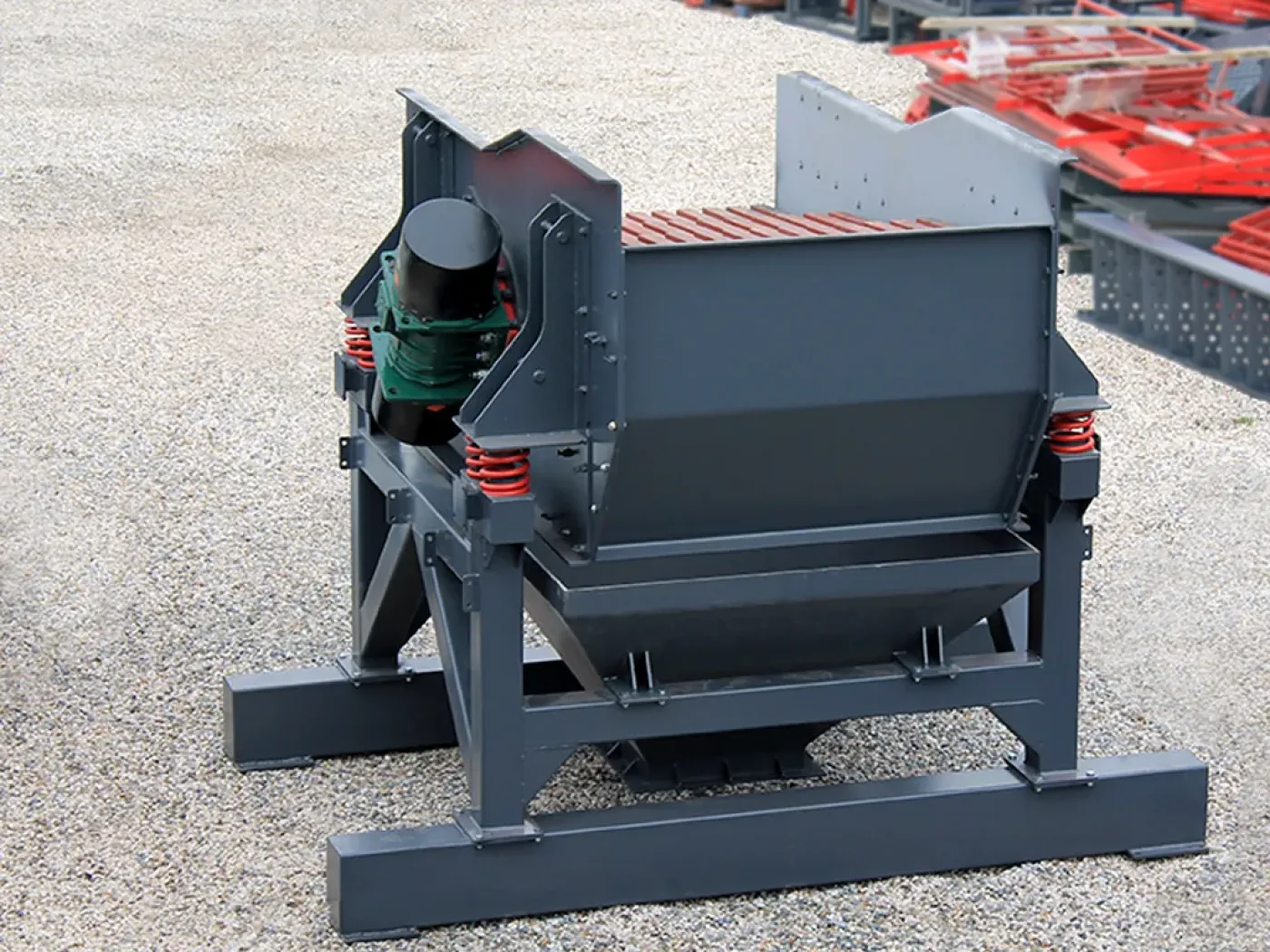
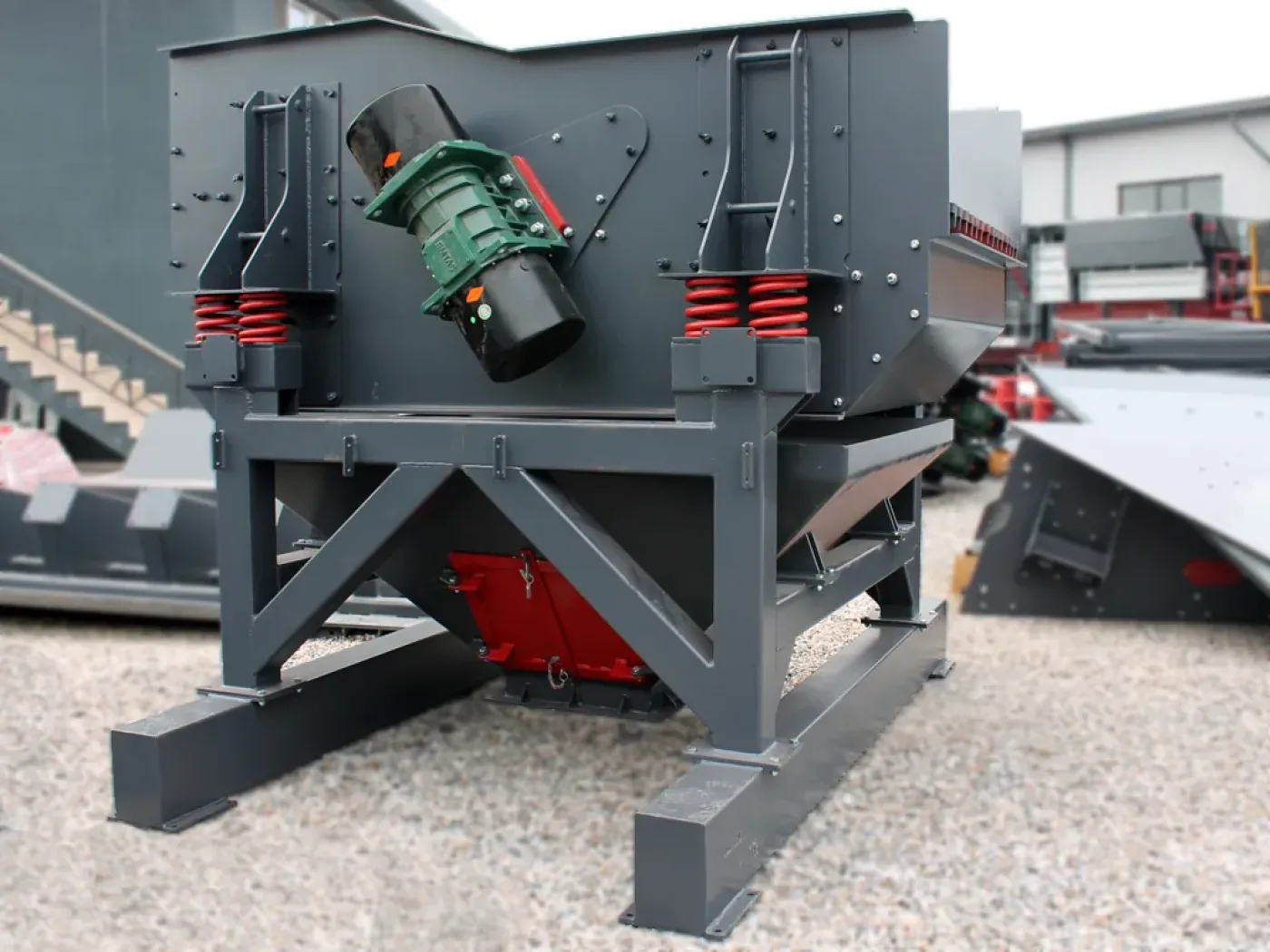
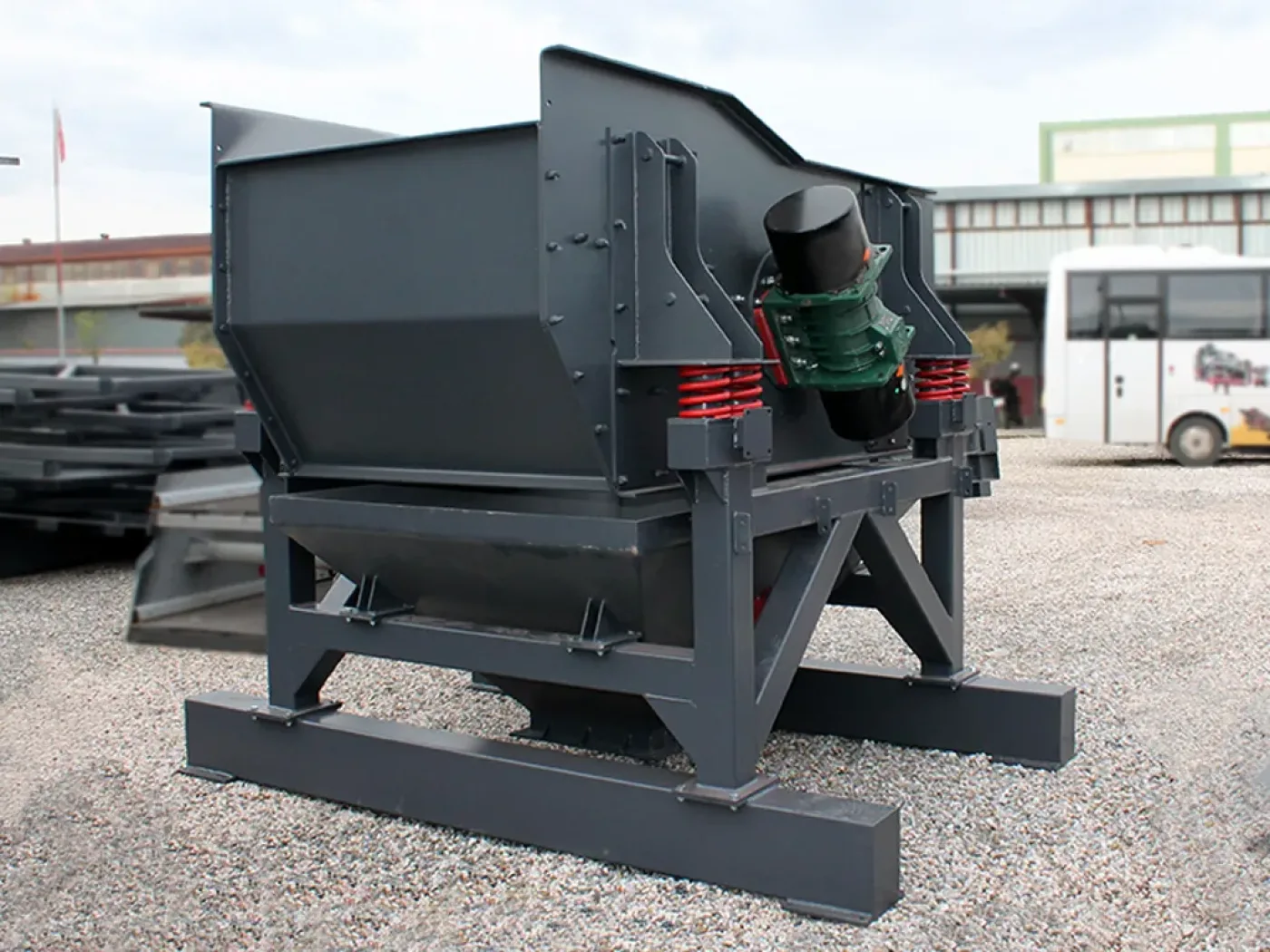
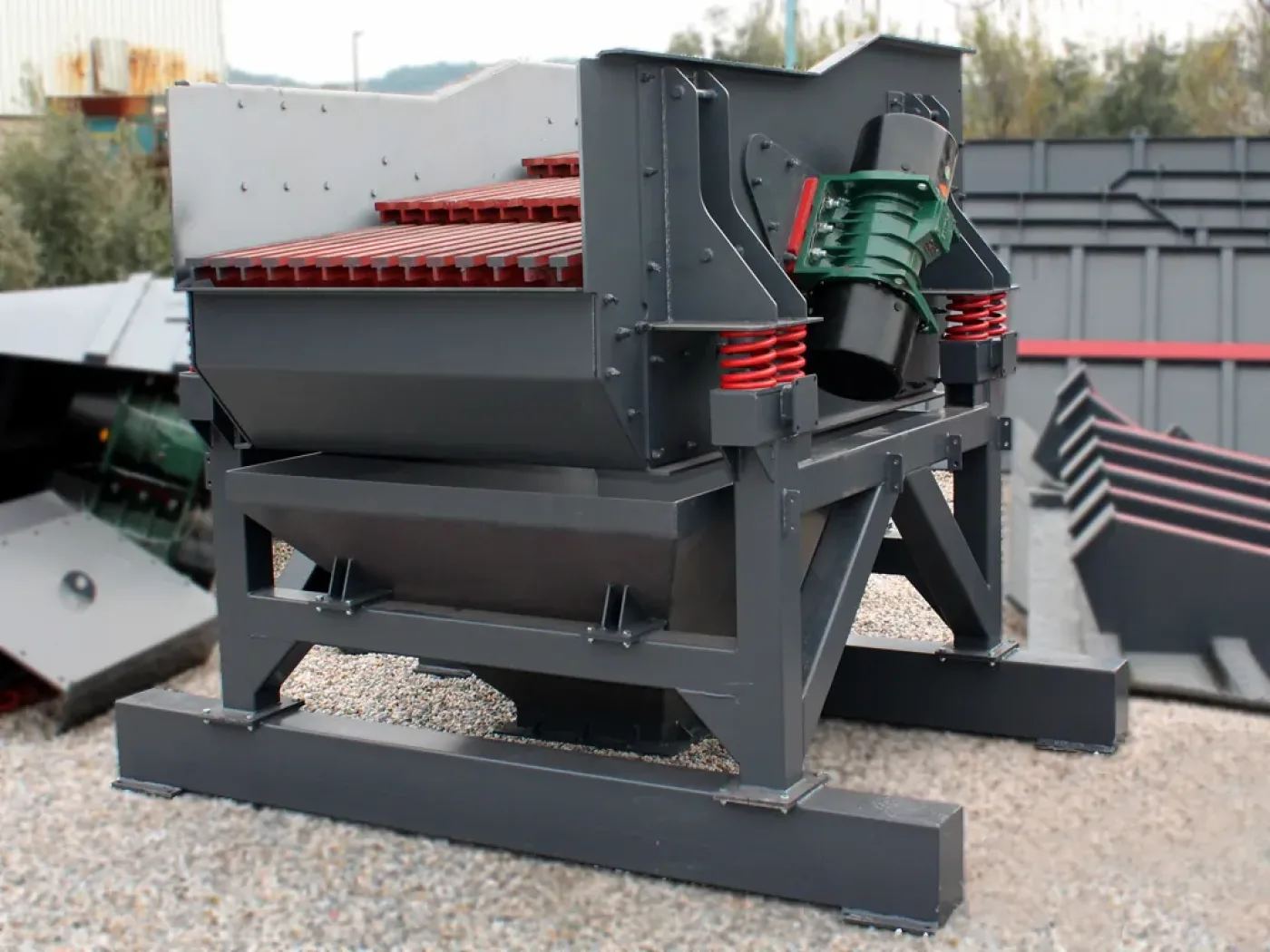
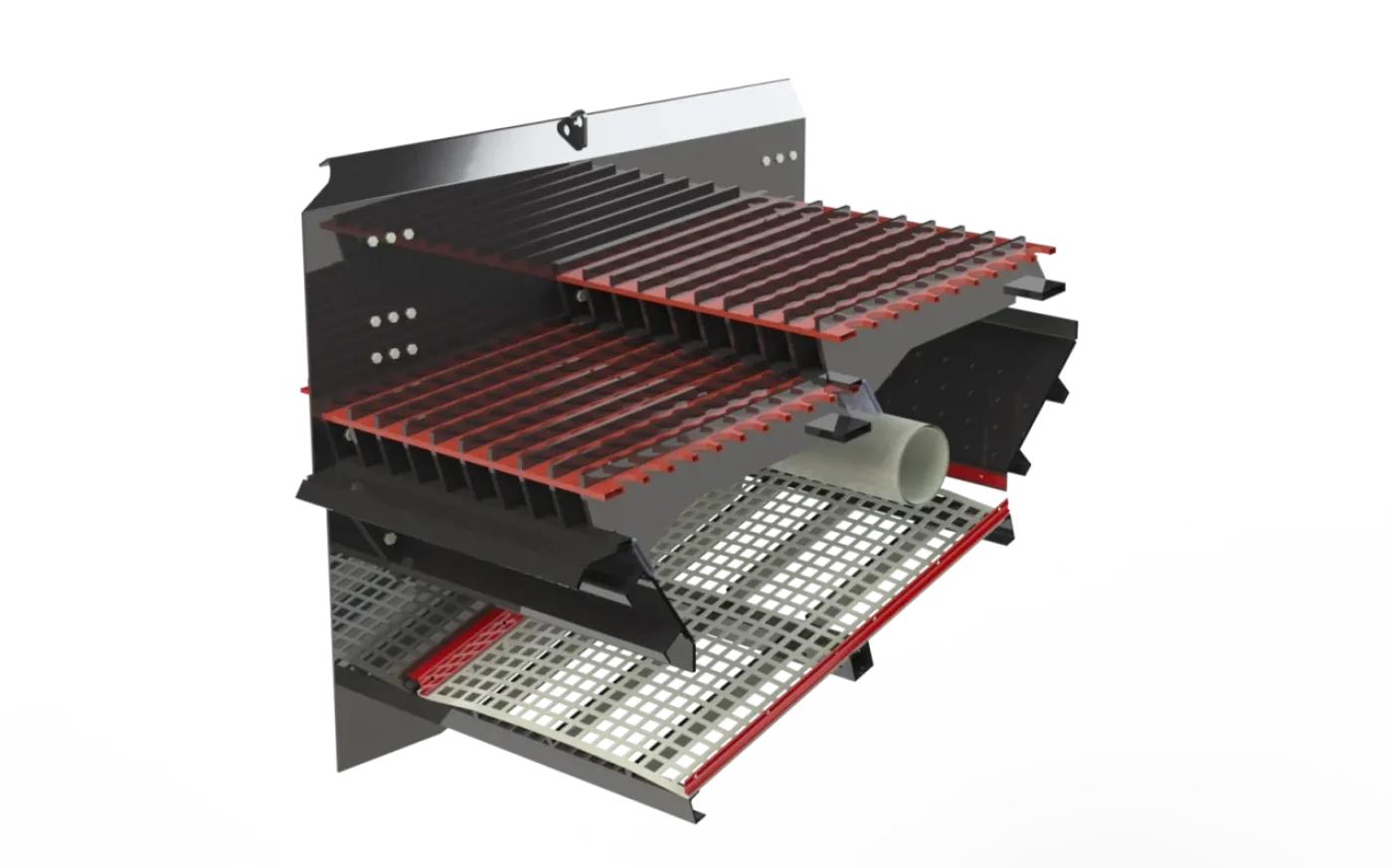
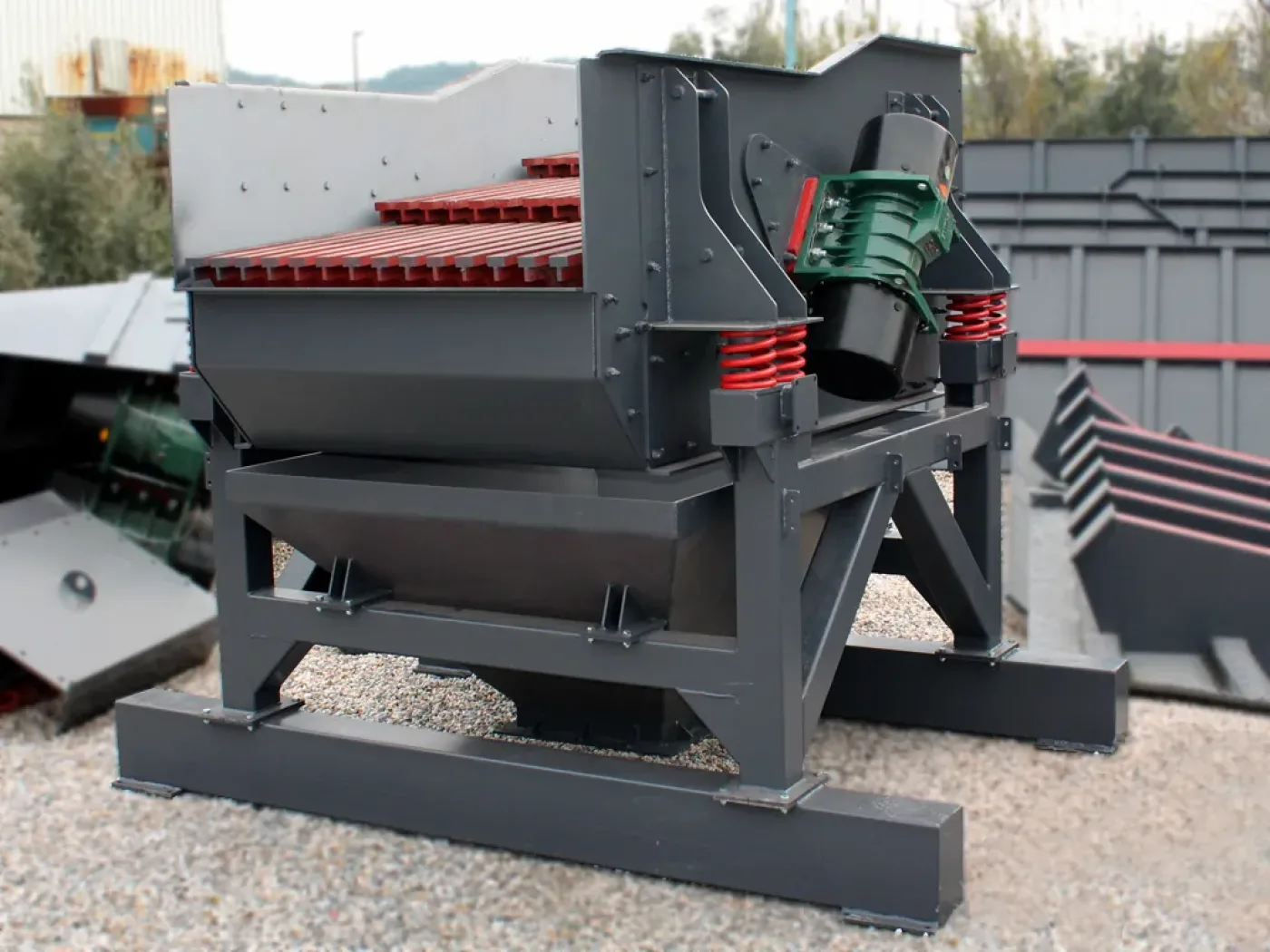
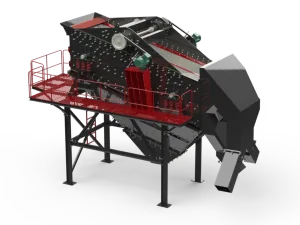
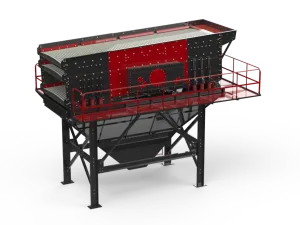
Grizzly (Scalping) Screen — G and M Types
Summary: The grizzly screen comes in two types: G-type for bypass ahead of the primary crusher (2 vibromotors, linear), M-type for fines removal ahead of the secondary crusher (eccentric shaft, circular). Bars are high-manganese austenitic cast steel with adjustable gaps. 100-400 tph.…
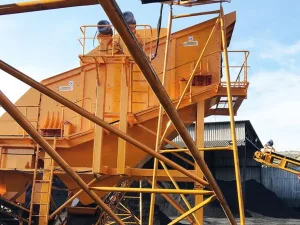
The grizzly screen comes in two types: G-type for bypass ahead of the primary crusher (2 vibromotors, linear), M-type for fines removal ahead of the secondary crusher (eccentric shaft, circular). Bars are high-manganese austenitic cast steel with adjustable gaps. 100-400 tph. ELKG and ELKM model tables.
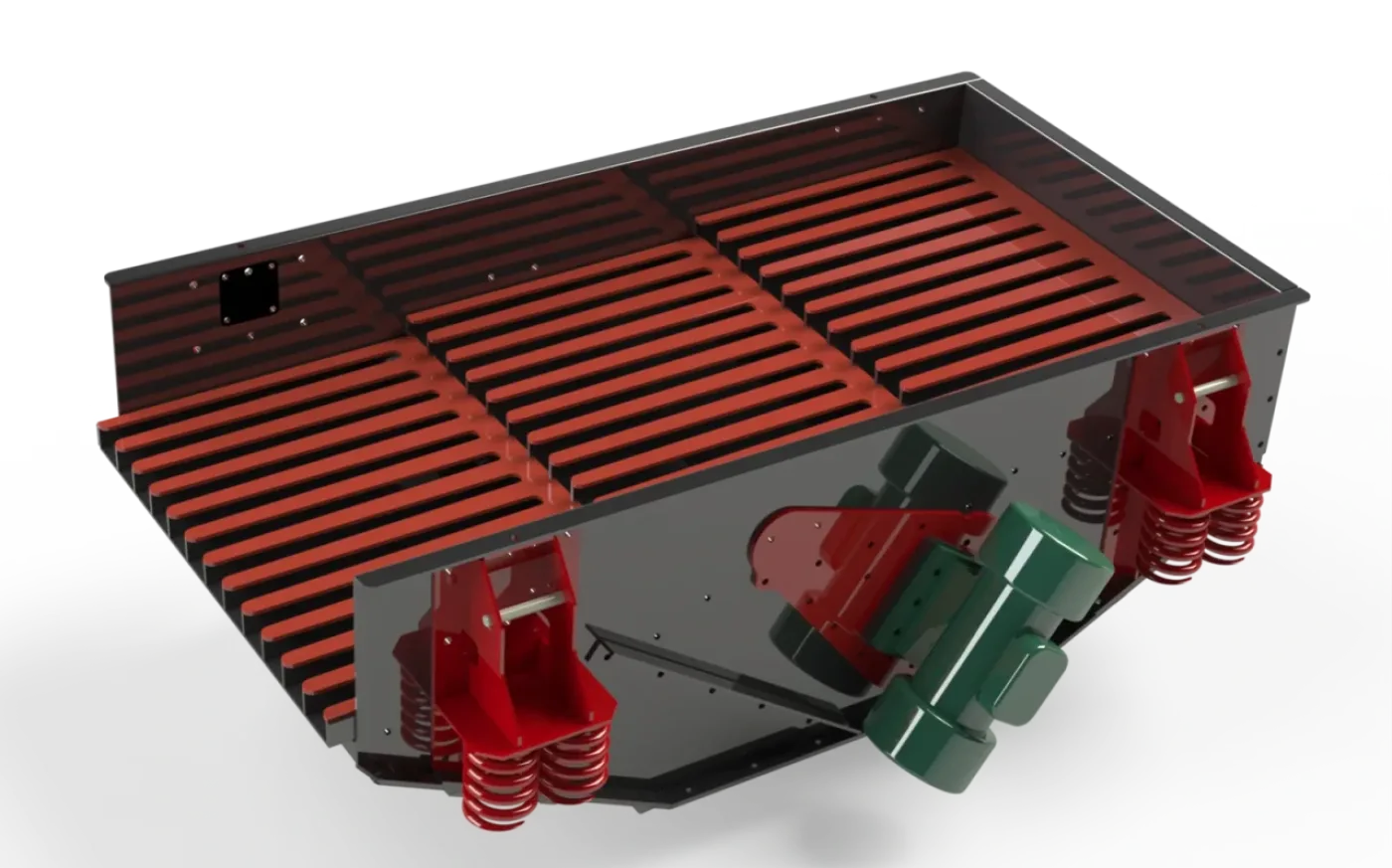
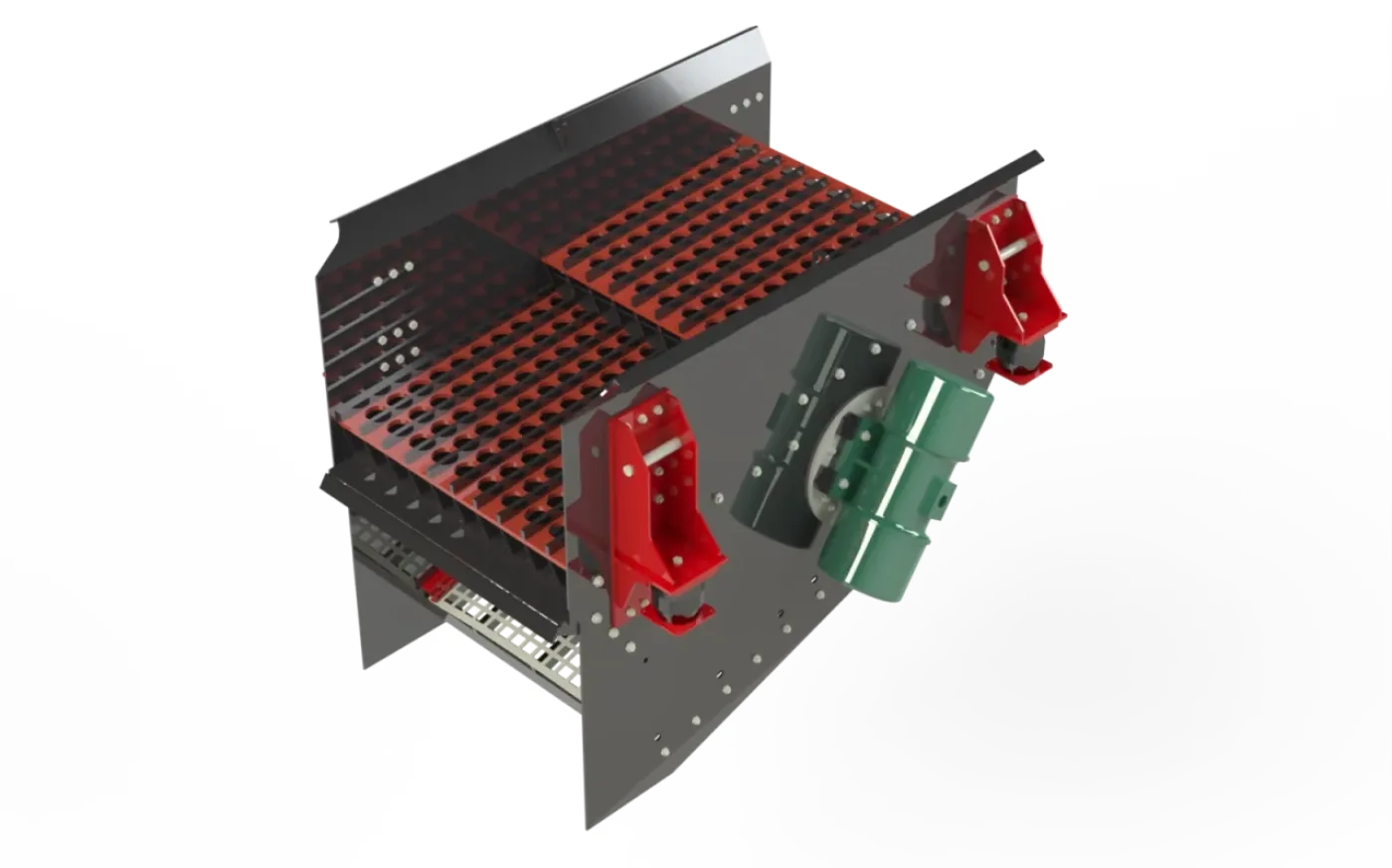
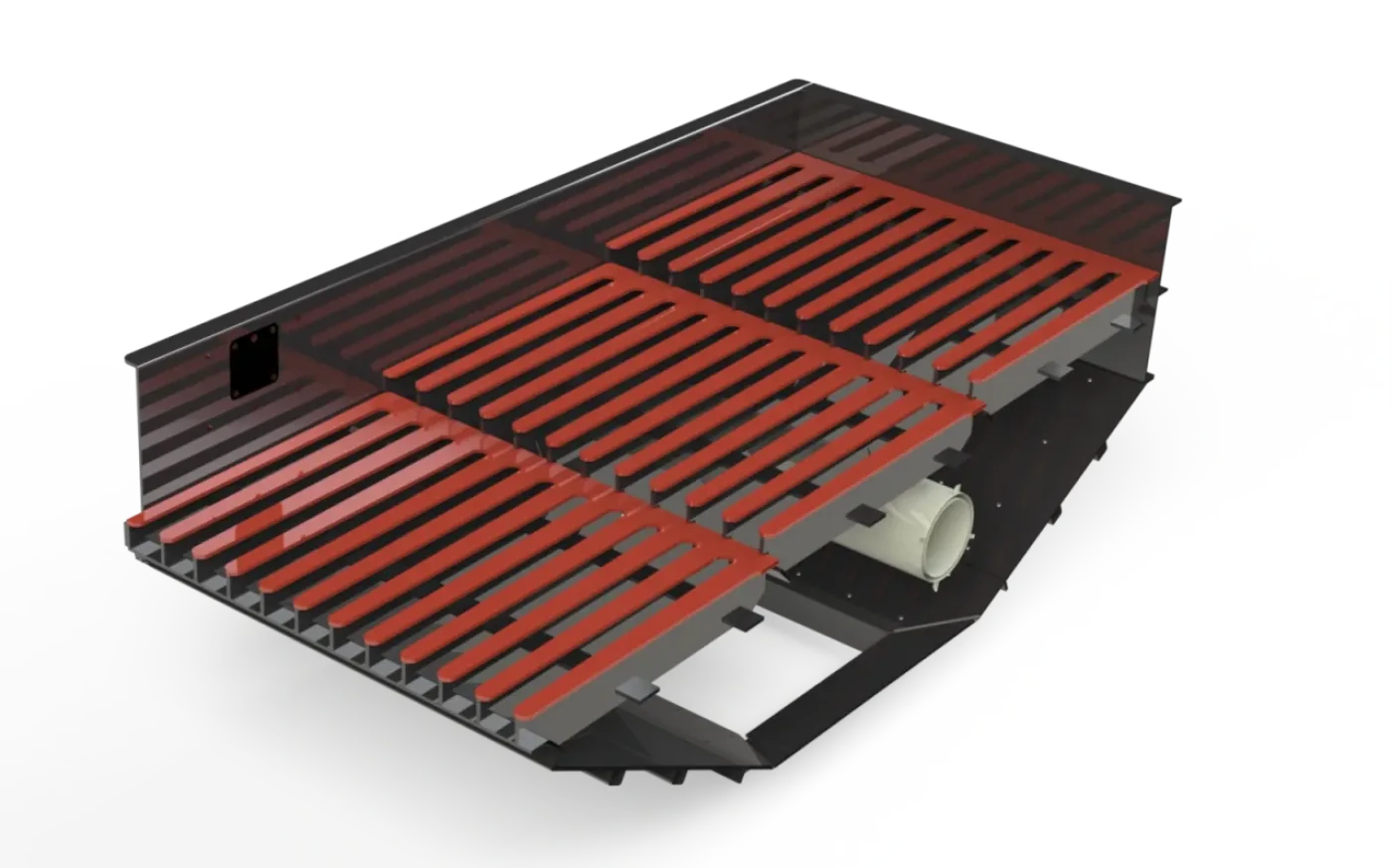
The grizzly screen is built in two types and performs pre-screening in the crushing circuit: the G-type sits between the feeder and the primary crusher and separates the bypass material; the M-type sits ahead of the secondary crusher and bypasses fines to keep the crusher from being needlessly loaded. The bars are high-manganese austenitic cast steel with an adjustable gap. Capacity is 100-400 tph.
G-type vs M-type
Bars and drive
The adjustable bar gap controls the bypass size. Exact values are set to order according to the material and feed size.
Deployment points
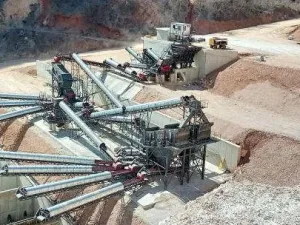
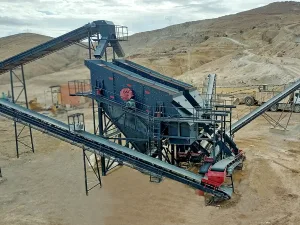
The G-type, in primary pre-screening, bypasses soil/fines to raise crusher efficiency and reduce wear. The M-type, ahead of the secondary, removes the fine fraction to cut the secondary crusher's needless load. It is used in fixed and mobile plants processing sand-and-gravel, hard rock and run-of-mine feed.
Fit within the crushing line
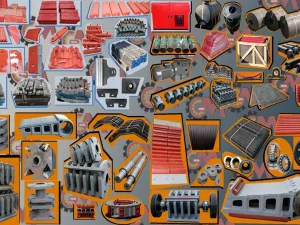
Because the grizzly screen is the entry stage of the crushing line, it is sized together with the feeder and crusher choice. General Machinery gathers pre-screening, primary/secondary crushing, classification and washing groups under a single project; from the austenitic bars to the jaws, wear parts are supplied from one address in a matched chain.
S: What is the difference between G-type and M-type?
C: The G-type sits ahead of the primary crusher and separates bypass material (2 vibromotors, linear vibration). The M-type sits ahead of the secondary crusher and bypasses fines (eccentric shaft, circular vibration).
S: What are the bars made of?
C: The bars are high-manganese austenitic cast steel (Mn13-type); under impact the surface work-hardens, giving high wear resistance and long life.
S: Is the bar gap adjustable?
C: Yes. The bar gap is adjustable, so the size of the bypassed material is set to the application.
S: Why is a grizzly screen needed?
C: It protects the crusher from fine, soil or needless material load; it raises crusher efficiency and reduces jaw/mantle wear.
S: How do I get pricing and delivery?
C: Send General Machinery your feed size, target capacity and crusher circuit details; a project-specific model, price and delivery time are provided as a quotation.
Video
Sale Probability
57/100 · average
Technical Specifications
| G | ELKG-12301200×300010.23500 |
|---|---|
| G | ELKG-14301000×300010.23700 |
| G | ELKG-19301200×300011.56500 |
| M | ELKM-12301200×20007.51500 |
| M | ELKM-14351400×3500156500 |
| M | ELKM-16401600×40001511000 |
QR code for this listing
Scan with your phone camera to open the listing.
Send this listing to a friend
Report this listing
Questions & Answers
No questions yet — be the first to ask.