Deutsch
 Français
 Türkçe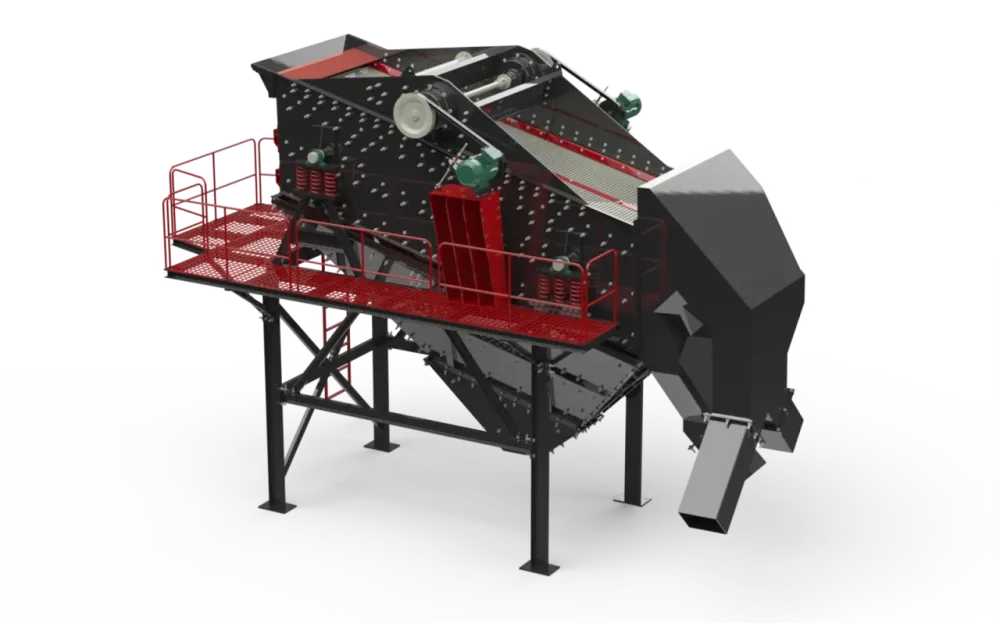
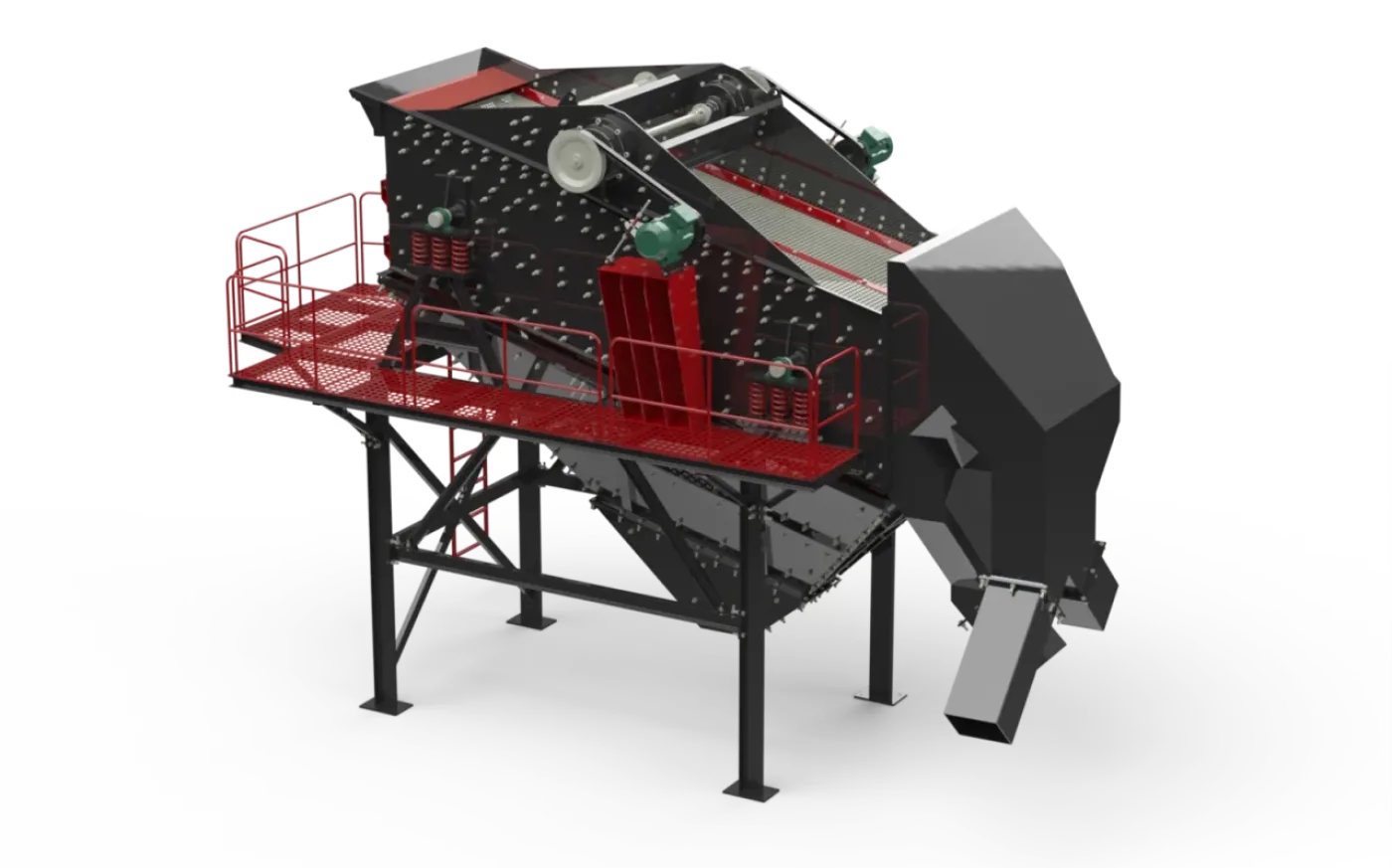
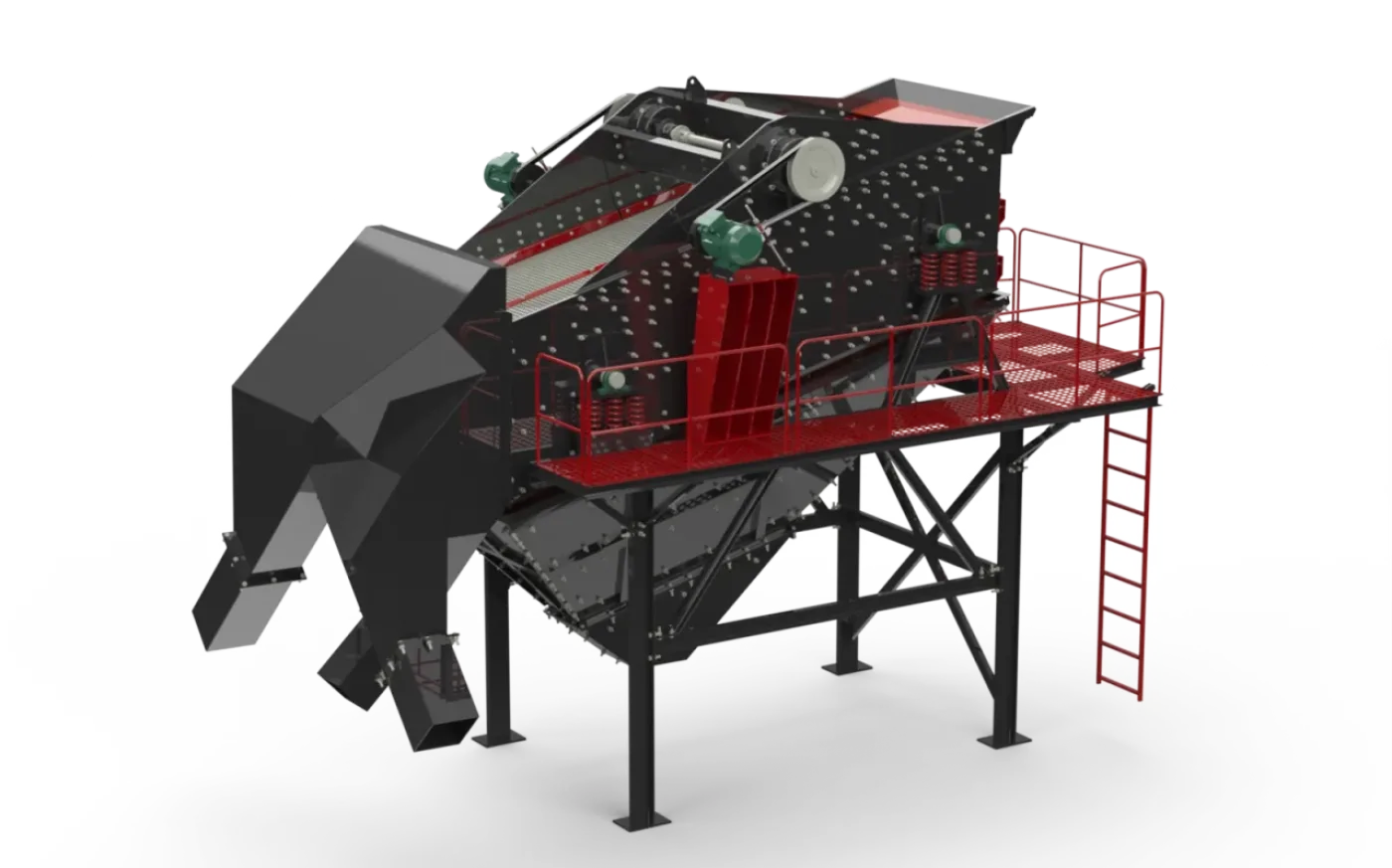
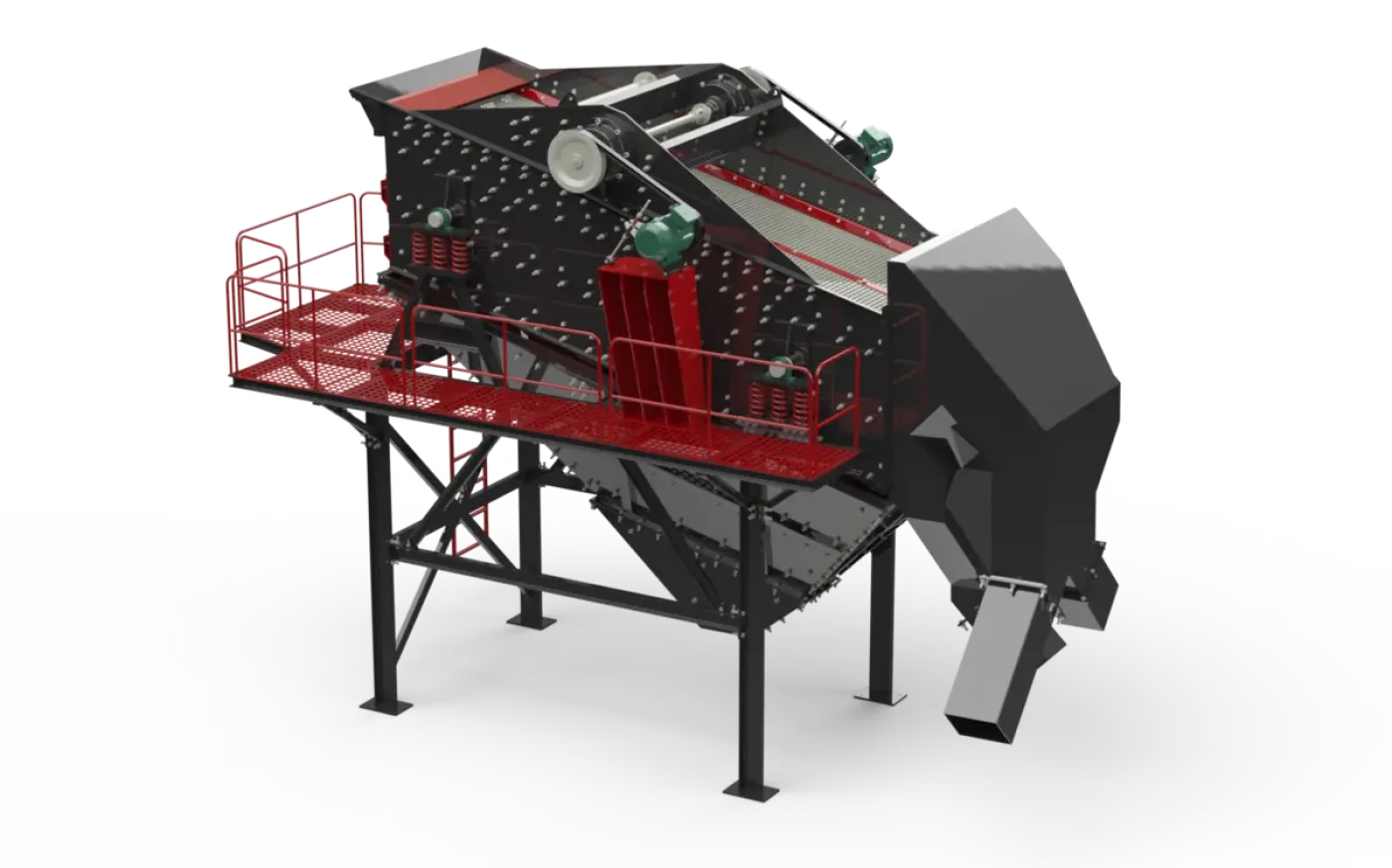
Top-Driven Screen
Summary: The top-driven screen is an elliptical-motion screen whose ellipse direction changes along the deck; higher efficiency than a conventional screen, reduced blinding, 100-400 tph, ELK-U2050/U2060/U2460 models, 3 decks.…
The top-driven screen is an elliptical-motion screen whose ellipse direction changes along the deck; higher efficiency than a conventional screen, reduced blinding, 100-400 tph, ELK-U2050/U2060/U2460 models, 3 decks.
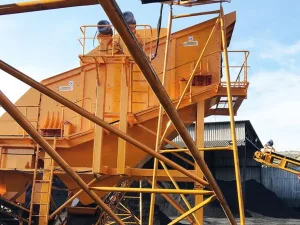
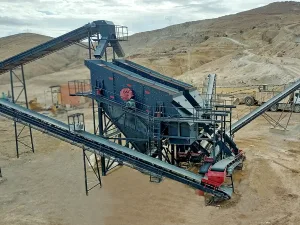
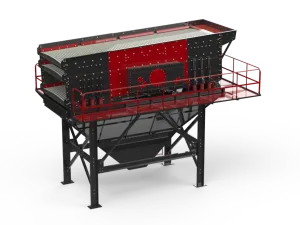
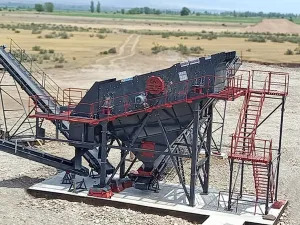
The top-driven screen is a screen with elliptical vibration; because the ellipse direction changes along the deck (forward at the rear, backward at the front), its screening efficiency is higher than a conventional circular-motion screen. Capacity is 100-400 tph and the models are ELK-U2050, ELK-U2060 and ELK-U2460. The frame is built bolted and weld-free throughout; media change is practical and the inlet is guarded by Stone-box chutes.
What sets elliptical motion apart
Short eccentric-weighted shafts are linked by a cardan shaft; each bearing group has 2 dedicated screen bearings. Flow speed is high at the rear of the deck and low at the front.
Dimensions and power ratings
Screens under 14 m² use 2 bearing groups, larger ones 4. The 3-deck screen produces 4 fractions. Capacity depends on material gradation, moisture and whether screening is wet or dry; mesh apertures are set to order.
Suitable materials
Quarry and riverbed plants requiring high efficiency; because elliptical motion reduces blinding, it can also be used as a washing screen. On wet, near-size-heavy material it outperforms a conventional circular-motion screen.
Scope of supply
The top-driven screen delivers its best efficiency when paired with washing units; that is why General Machinery engineers it in the same file as screw/log washers, crushers and the batching plant. Long-life bearing and screen-media resupply continue under the same roof.
S: Why does the top-driven screen use elliptical motion?
C: Because the ellipse direction changes along the deck, material makes full contact with the aperture and dwells longer at the front; this means higher efficiency and less blinding than a conventional screen.
S: What is its capacity?
C: It ranges from 100-400 tph. Capacity varies with material gradation, moisture and whether screening is wet or dry.
S: How many decks does it have?
C: The models have 3 decks and split material into 4 fractions.
S: How many bearing groups?
C: Screens under 14 m² use 2 bearing groups, larger screens use 4; each group has 2 dedicated screen bearings.
S: Can it run wet?
C: Yes. Because elliptical motion reduces aperture blinding, the top-driven screen can also be used as a washing screen.
Video
Sale Probability
57/100 · average
Technical Specifications
| ELK-U2050 | 2000×50002×15/1500315000 |
|---|---|
| ELK-U2060 | 2000×60002×15/1500317500 |
| ELK-U2460 | 2400×60002×15/1500319000 |
QR code for this listing
Scan with your phone camera to open the listing.
Send this listing to a friend
Report this listing
Questions & Answers
No questions yet — be the first to ask.